|
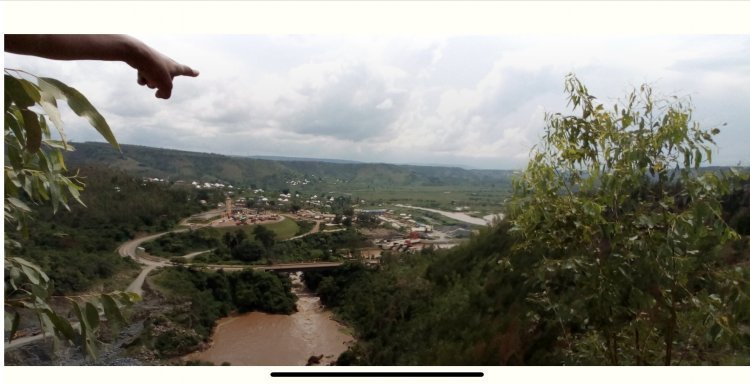
The Regional Rusumo Falls Hydro Electric Project (RRFHEP) implemented by the Nile Equatorial Lakes Subsidiary Action Program (NELSAP) is to benefit the three neighboring countries of Rwanda, Tanzania and Burundi at the border of Rusumo in the eastern part of Rwanda, western part of Tanzania and northern part of Burundi.
It is estimated to produce about 80 megawatts of electricity on the Kagera River at the Rusumo Falls located on the border between Rwanda and Tanzania under a Run of River scheme (confluence of rivers). After the three governments signed a tripartite agreement on 16 February 2012, construction activities began in 2017 and the project is expected to be completed in 2023.
Dr. Bikweru said the project will contribute in various sectors to the people near the Rusumo project in Kirehe district, including education, health, business and agriculture.
The farmers will also get enough water in dams for use in irrigation in order to increase their crops. There are two existing dams in Kirehe district, Nyamugari sector. In November, the Rusumo Project started to build two dams that were completed this year in February, called Mahama 1 and Mahama 2. According to the Rwanda Agriculture Board, in Rwanda there are 28 dams used by 16,342 farmers.
Challenges of lack of water in dams
In 2017, farmers in Rusumo village built a series of dams to help them irrigate, but after a few months, the dams dried up. Some of their irrigation machines were also damaged due to inactivity because the water in the dams was dry. Because of this history, they are worried about the drying up of dams after the construction of the Rusumo Hydropower Project.
However, Dr. Gaspard Bikweru, Environmental Officer at Rusumo Hydropower Project, said that there is no concern about the drying up of the Rusumo dams, because the waterfall will carry a huge amount of water that will not allow the dams to dry out. The waterfall is 13 meters wide and 20 meters high.
Read full story on InfoNile via https://infonile.org/en/2022/10/protect-the-environment-to-secure-groundwater/
|