CCFU Launches Call for Nominations for 7th National Heritage Awards 2026
 Frank Semata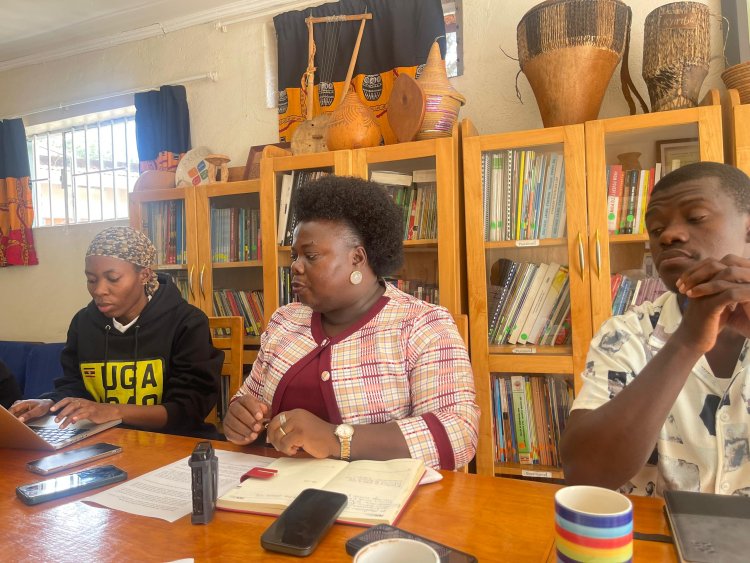
The Cross-Cultural Foundation of Uganda (CCFU) has officially launched the call for nominations for the 7th National Heritage Awards 2026
This year's edition coincides with the organization’s 20-year anniversary of promoting and safeguarding Uganda’s cultural heritage.
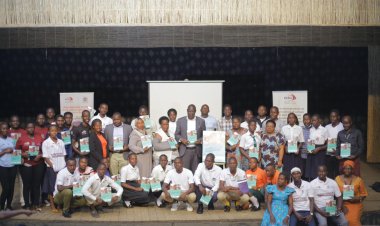
The announcement was made during a press conference to highlight the importance of preserving the country’s diverse traditions and identities.
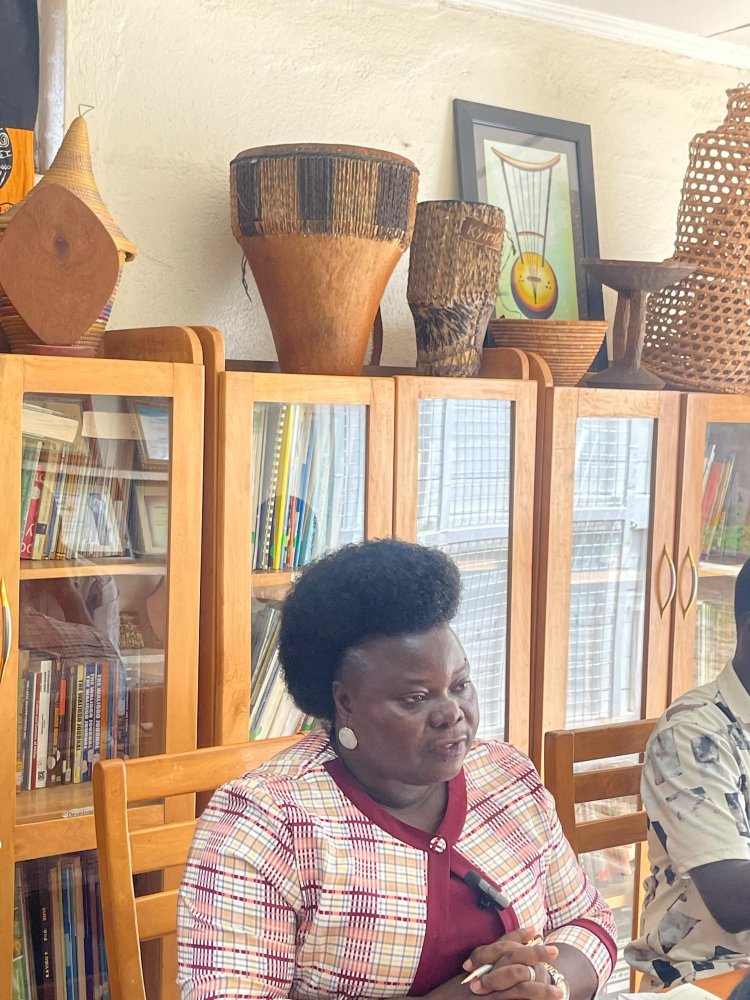
The biennial awards, first introduced in 2013, have become a key national platform for recognizing individuals, families, communities and institutions that have made outstanding contributions to the protection and promotion of Uganda’s cultural heritage.
Over the years, the awards have honored 49 practitioners in both tangible and intangible heritage, as well as two media personalities whose work has amplified cultural storytelling.
Organizers noted that the awards celebrate achievements whilst raising awareness about the urgent need to safeguard heritage that is increasingly under threat from modernization, urbanization and globalization.
The Executive Director Barbra Babweteera emphasized that over the past two decades, the organization has worked extensively with communities, schools, artists, religious institutions and policymakers to ensure that Uganda’s cultural expressions ranging from oral traditions and performing arts to craftsmanship and social practices are preserved and passed on to future generations.
"This year’s awards are therefore particularly significant as they reflect on this long-standing journey while looking ahead to strengthening heritage preservation efforts." Babweteera noted
For the 2026 edition, nominations are open to a wide range of actors across the country, including individuals, families, cultural institutions, community groups and media practitioners.
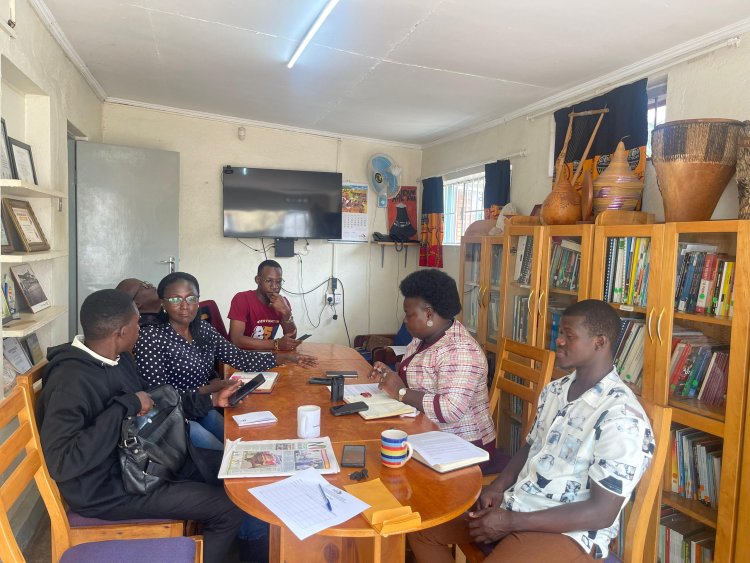
Nominees are expected to demonstrate active involvement in safeguarding heritage, whether through preserving historical sites, promoting endangered languages, documenting Indigenous knowledge systems related to nature, healing, food and conservation or sustaining cultural practices and artistic expressions rooted in tradition.
Special attention is being given to initiatives that address heritage elements at risk of extinction, with organizers urging the public to nominate deserving candidates from all regions of Uganda.
The awards will also continue to recognize innovation in storytelling through the Media and Heritage Innovation Award, which was introduced in 2022.
This category acknowledges the growing role of journalists, filmmakers, photographers, podcasters and digital creators in making cultural heritage accessible to wider audiences, particularly the youth, through modern and engaging platforms.
A jury of cultural experts will review all nominations and select seven outstanding practitioners who will be honored at an awards ceremony scheduled for May 2026.
Organizers expressed confidence that the selection process will highlight impactful and inspiring work being done at grassroots and national levels.
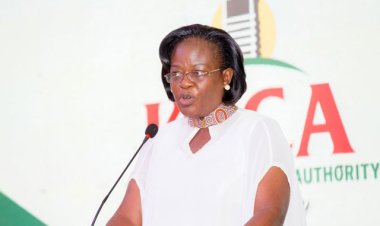
Representing the Ministry of Gender, Labour and Social Development, Hajjat Hajarah Nalubega, Principal Culture Officer in the Department of Culture and Family Affairs, commended CCFU for complementing government efforts in promoting cultural heritage.
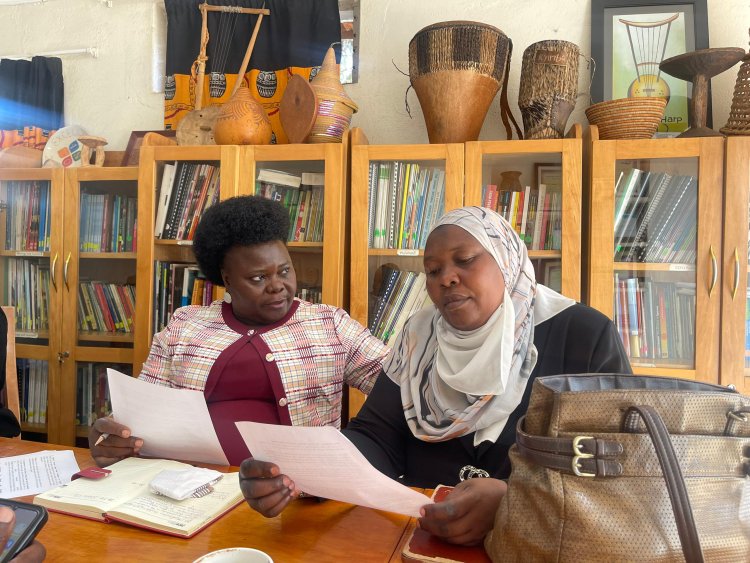
She acknowledged the contribution of non-governmental organizations, government departments and agencies in advancing cultural preservation across the country, noting that such partnerships are essential in strengthening the sector.
Nalubega revealed that the government is currently in the process of developing the Uganda National Culture Policy, which is under cabinet review.
The policy is expected to provide a comprehensive framework for integrating cultural heritage into national development planning, ensuring that culture remains relevant in the face of rapid modernization.
She further highlighted Uganda’s commitment to implementing UNESCO conventions, particularly the 2003 Convention for the Safeguarding of Intangible Cultural Heritage.
Under this framework, the ministry works closely with communities to identify, document and inventory cultural elements that are at risk of disappearing.
These inventories are stored in a national database and are used to support Uganda’s submissions to UNESCO for international recognition.
Uganda currently has six cultural elements inscribed on UNESCO’s lists, including the skill and art of barkcloth making, the Empaako naming system, the male cleansing ceremony among the Langi people of Northern Uganda, Ma’di bowl lyre music and dance and Bigwala music and dance among the Basoga.
Nalubega explained that these inscriptions bring global recognition and also encourage communities to preserve and promote their heritage practices.
She also highlighted the government’s efforts to support the creative and cultural sector through initiatives such as the Creative Uganda Revolving Fund.
This fund is designed to provide financial support to individuals and groups engaged in cultural and creative enterprises, enabling them to develop projects, create employment and generate income while preserving cultural heritage.
She encouraged practitioners, especially young people to take advantage of the fund and contribute to the growth of the sector.
Organizers reiterated that the National Heritage Awards go beyond recognition, serving as a platform to inspire collective responsibility, strengthen cultural identity and link heritage to key sectors such as education, tourism and economic development.
They called upon the media to play a central role in amplifying heritage stories and showcasing the work of cultural custodians across the country.