Culture Is Uganda’s Identity, Not an Ornament — Lilly Ajarova as CCFU Marks 20 Years
 Frank Semata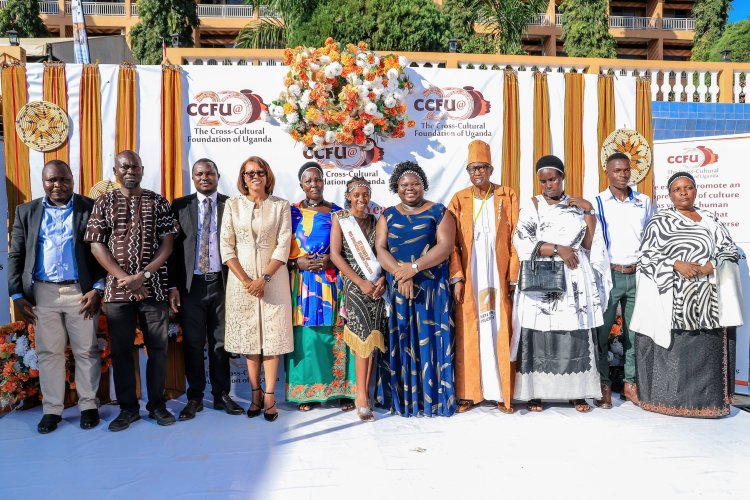
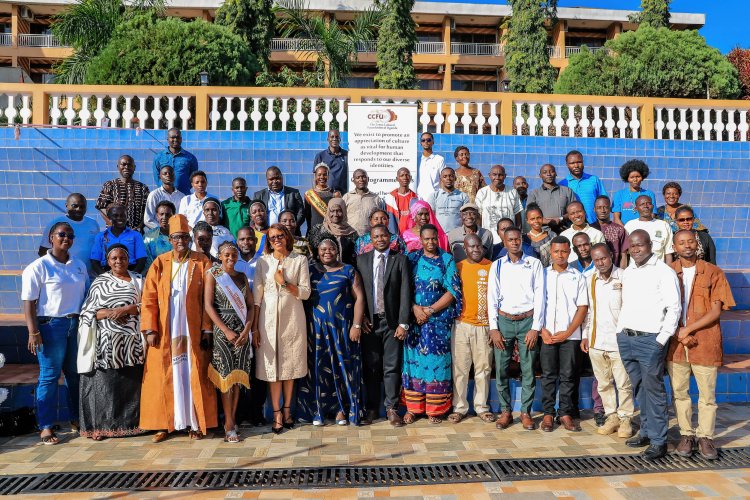
The Cross Cultural Foundation of Uganda (CCFU) commemorated 20 years of championing cultural heritage, with renewed calls for culture to be recognized not as a relic of the past, but as a powerful driver of national identity, social cohesion, tourism and economic transformation
The anniversary celebration, which brought together community museums, cultural enterprises, heritage custodians, artists, researchers and tourism stakeholders from across the country, doubled as a reflection on the growing role of culture in shaping Uganda’s development agenda
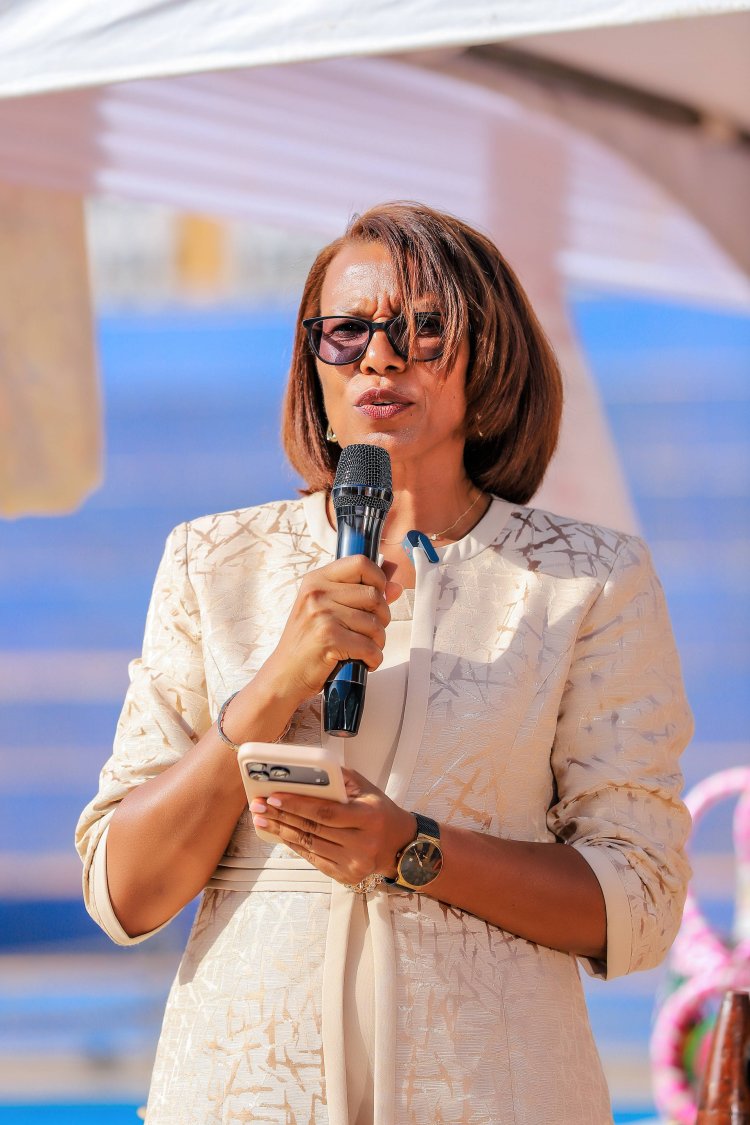
Delivering the keynote address, Lilly Ajarova praised CCFU for remaining “a steadfast champion of Uganda’s cultural heritage” over the past two decades.
“For 20 years, CCFU has remained guided by the understanding that culture is not merely a reflection of our past, but a vital foundation for our identity, unity and sustainable development,” Ajarova said.
She commended the leadership of CCFU Executive Director Barbra Babweteera, the board, staff and partners for building a strong institution rooted in teamwork and commitment.
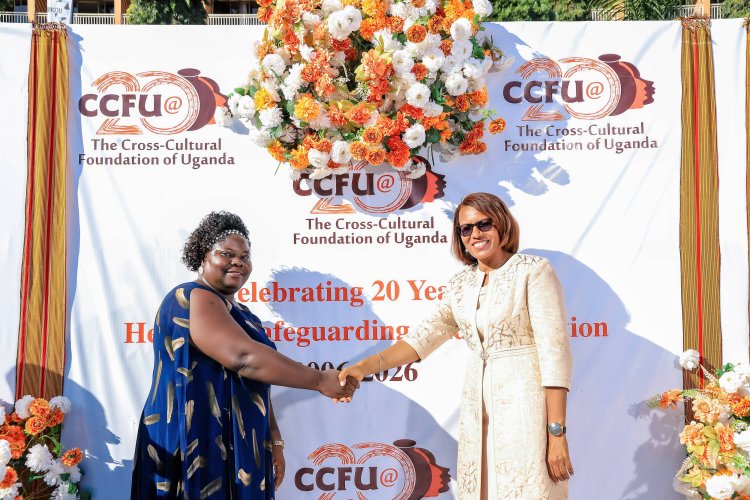
“Every event of CCFU that I have attended, you see teamwork everywhere. You do not have to be told. That is why you have been able to achieve so much,” she remarked.
The celebration came a day after Uganda joined the rest of the world in marking the International Museum Day under the theme “Museums Uniting a Divided World,” a theme speakers described as timely amid growing global tensions and social fragmentation.
Ajarova urged community museums across Uganda to go beyond preserving artifacts and instead become active centres for dialogue, healing, education, reconciliation and community unity
“You are not just storing artifacts or historical objects. You are the frontline guardians of our national identity,” she told museum curators and cultural custodians gathered at the event.
She emphasized that Uganda’s cultural identity remains one of its strongest tourism assets, revealing that international tourism research consistently ranks culture among the top reasons global travelers visit Africa.
“Number one is wildlife, but number two is culture. And I will not be surprised if culture soon becomes number one,” she noted.
Ajarova also linked cultural preservation to Uganda’s broader economic ambitions under the government’s development strategy, highlighting tourism among the priority sectors expected to drive the country’s targeted tenfold economic growth by 2040.
“Our tourism sector has been tasked to grow twenty five fold by 2040 and cultural tourism will play a major role in achieving that target,” she said.
Beyond tourism, she warned against the erosion of indigenous values and traditions, arguing that many social challenges facing younger generations stem from neglecting cultural foundations.
“Our children today are getting lost because we no longer take time to teach them our own culture. Culture shapes discipline, respect, character and the spirit of Ubuntu,” she observed.
Ajarova shared how wearing Ugandan traditional attire during international travels often sparks conversations about Uganda
“Every time I travel, I wear traditional Ugandan attire because it starts conversations about our country and who we are,” she said.
Speaking at the same event, CCFU Executive Director Barbra Babweteera echoed concerns about increasing global divisions and called on museums and cultural institutions to become spaces that unite humanity.
“Museums and cultural enterprises provide spaces for dialogue and remind us that despite our differences, we are all human beings led by the same sense of humanity,” Babweteera said.
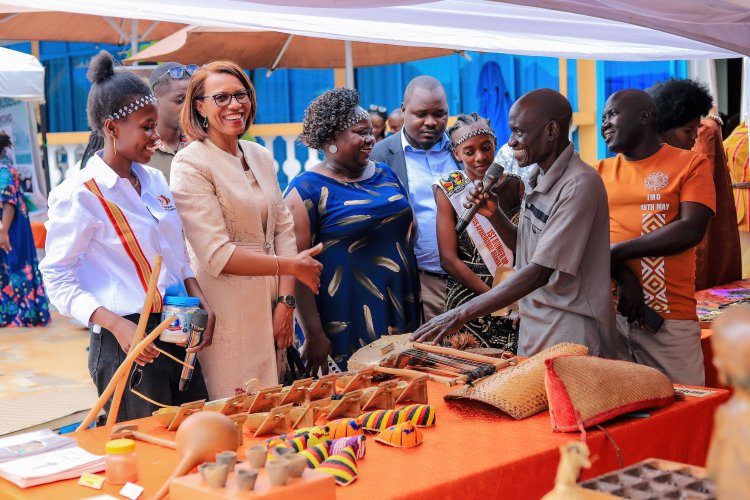
She noted that the exhibition of community museums from different regions of Uganda demonstrated the interconnectedness of Uganda’s cultures and histories.
“The stories we share interrelate. Despite geographical differences, we remain one people,” she added.
Babweteera described museums as critical spaces for preserving values, educating young people, and strengthening social cohesion in an increasingly fast-changing world.
She further called on government and stakeholders to increase investment in heritage preservation, warning that neglecting cultural values threatens Uganda’s social fabric and identity.
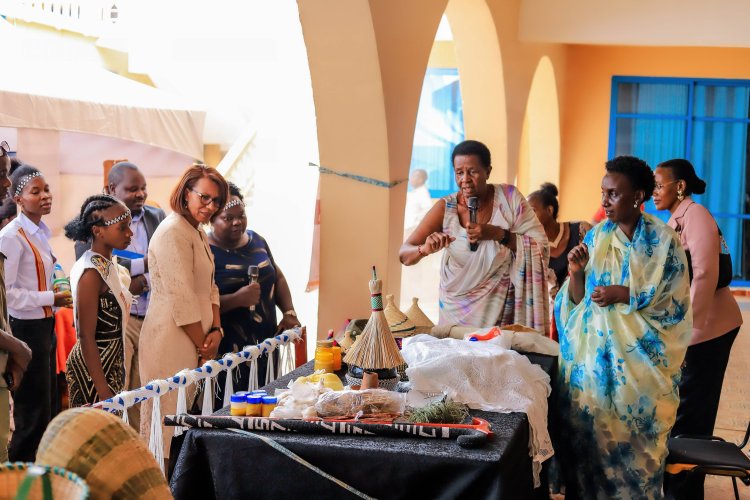
The event featured exhibitions from community museums and cultural enterprises across Uganda, showcasing indigenous artifacts, traditional attire, local foods, publications, oral histories, and cultural innovations.
Participants were encouraged to reconnect with traditional knowledge systems, indigenous foods, and cultural practices
Founded in 2006, Cross Cultural Foundation of Uganda has become one of Uganda’s leading cultural institutions, working with communities, traditional leaders, researchers, artists and government agencies to promote cultural appreciation, heritage conservation and cultural inclusion in development processes.