ELGSU Engages Bundibugyo Cocoa Farmers to Strengthen Uganda’s Export Growth Agenda
 Frank Semata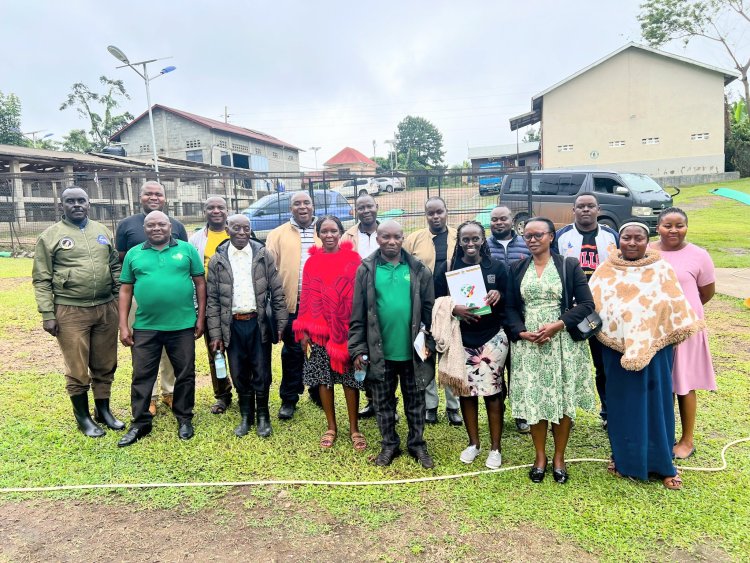
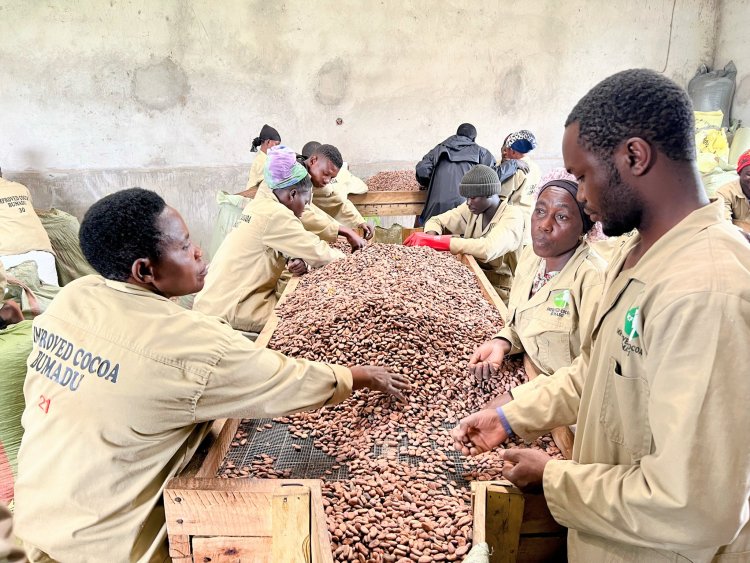
In a bid to strengthen Uganda’s export competitiveness and unlock the full potential of the cocoa value chain, the Export Led Growth Strategy Unit (ELGSU) has conducted a field visit to the Bundibugyo Improved Cocoa Farmers’ Cooperative Society Limited, one of the leading farmer-led institutions driving cocoa production in western Uganda.
The visit was part of a broader effort by ELGSU to engage directly with key stakeholders across priority export sectors, with cocoa identified as a strategic commodity capable of significantly contributing to increased export earnings, improved household incomes and value addition within Uganda’s agricultural economy.
Through direct interaction with farmers, cooperative leaders and technical teams, the delegation sought to gain a deeper understanding of the realities on the ground, including production systems, post harvest handling practices, quality management and market access dynamics.
The Bundibugyo Improved Cocoa Farmers’ Cooperative Society Limited (BICFCSL) traces its roots back to 2012, when a small group of cocoa farmers in Bumadu Village came together with a shared vision of addressing common challenges within the sector. At the time, individual farmers faced difficulties in negotiating fair prices, accessing reliable markets and improving the quality of their produce. Recognizing the need for a unified voice, they formed an association that would later evolve into a more structured organization.
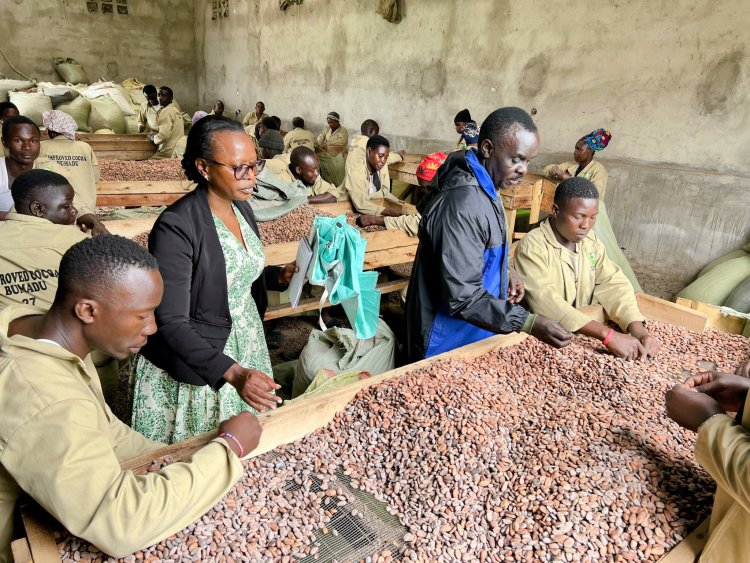
As interest grew and more farmers joined, the association expanded both in membership and operational scope, prompting the need for formal recognition. In 2014, the group was officially registered as a cooperative society. This progress was further solidified in 2017 when the cooperative received its permanent certificate from the Registrar of Cooperatives, affirming its legal standing and long-term viability as a farmer-led enterprise.
Today, BICFCSL has grown into a vibrant cooperative with a membership exceeding 5,000 farmers, playing a central role in cocoa aggregation, quality assurance and market coordination in Bundibugyo District. The cooperative provides a structured platform through which farmers can collectively market their cocoa, negotiate better prices and access essential services that would otherwise be difficult to obtain individually.
These include training programs focused on improved agronomic practices, post-harvest handling and sustainable farming techniques that increase yields and also promote environmental conservation.
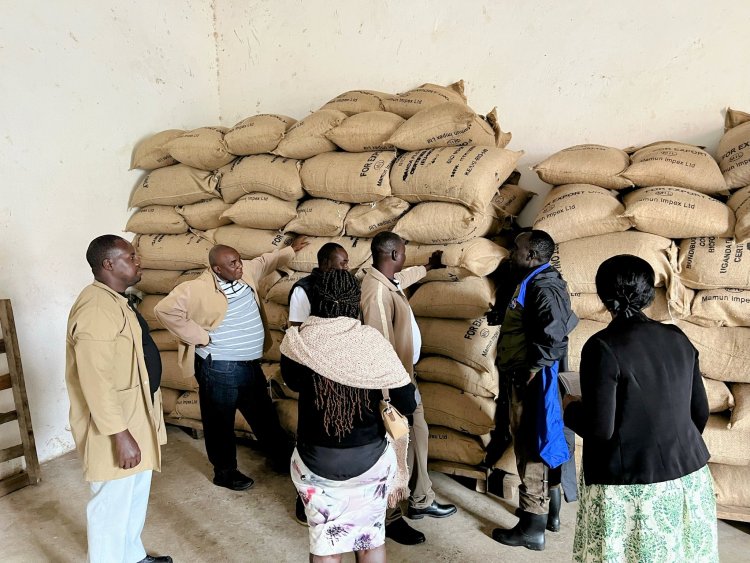
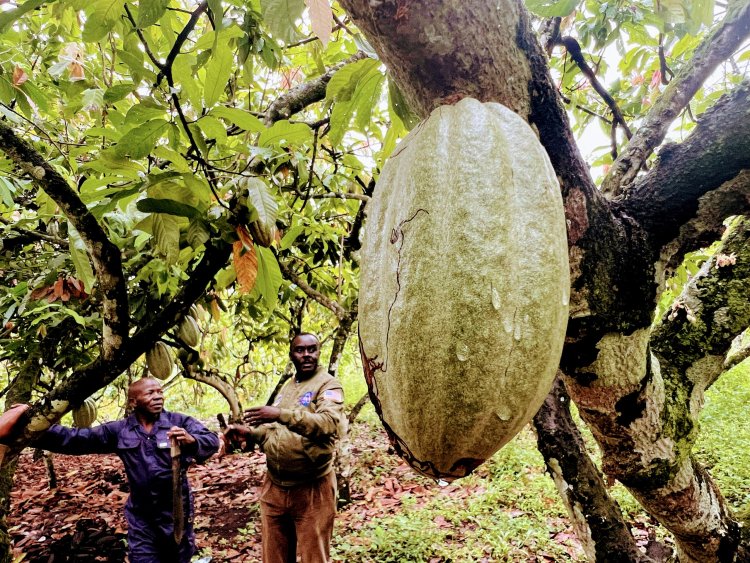
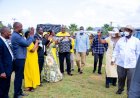
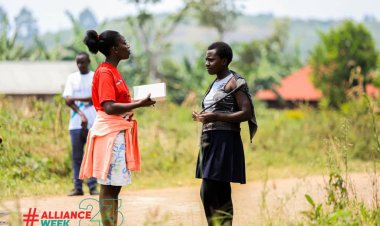
During the visit, ELGSU officials interacted with farmers at both cooperative and farm levels, observing firsthand the production practices and challenges faced within the sector.
Discussions highlighted the importance of maintaining high-quality standards to meet the requirements of both regional and international markets, as well as the need for investment in value addition to ensure that Uganda’s cocoa can compete favourably on the global stage.
One of the farmers engaged during the visit, Mr. Bulera Godfrey, a lead farmer affiliated with the cooperative, shared his experience and outlook on the sector. With over 18 acres dedicated to cocoa farming, he represents a growing class of committed producers who have embraced cocoa as a key livelihood enterprise.
He expressed appreciation for the ongoing interventions aimed at improving productivity and organization within the sector, noting that such efforts have contributed to better yields and improved farmer coordination. However, he also underscored the persistent challenge of price fluctuations, calling on government to prioritize mechanisms that can help stabilize cocoa prices and protect farmers from volatile market conditions.
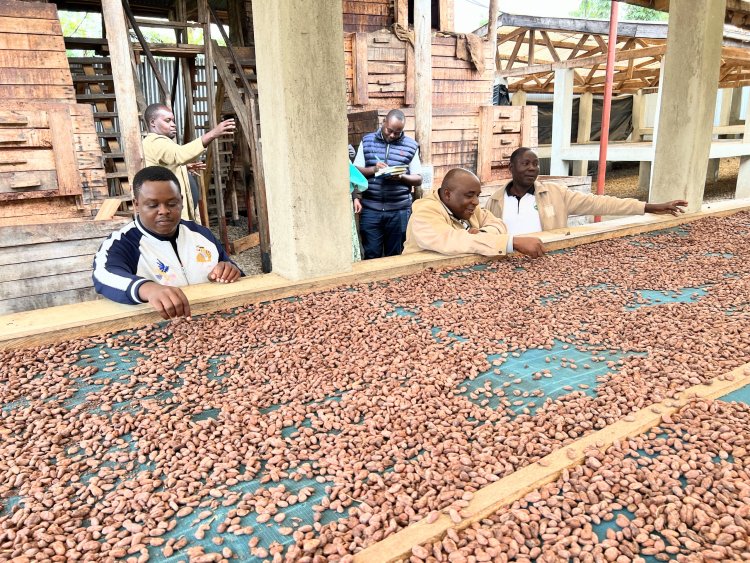
The engagement also provided an opportunity for ELGSU to communicate its strategic vision and the broader economic context within which the cocoa sector operates.
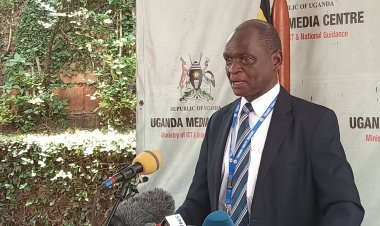
Mr. Andrew Luzze, Head of Research at ELGSU, emphasized that the unit was established to drive Uganda’s export-led growth agenda, which is central to the country’s long-term development aspirations.
He explained that Uganda is currently pursuing the ten-fold economic growth strategy aimed at expanding the size of the economy from approximately USD 50 billion to USD 500 billion.
According to Mr. Luzze, achieving this target will require deliberate efforts to increase export volumes, attract investment and enhance value addition across key sectors. He noted that agriculture and specifically commodities like cocoa, presents a significant opportunity to drive this transformation due to its existing production base and growing global demand.
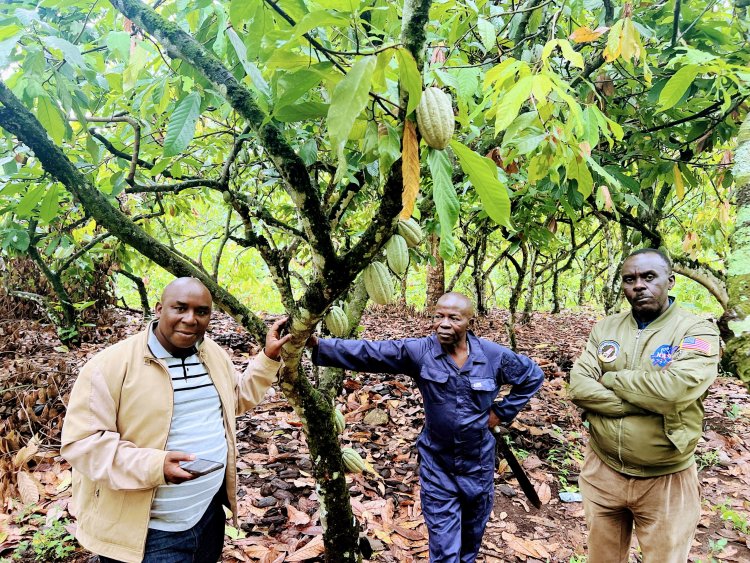
He stressed that improving quality standards and strengthening market systems are essential steps toward ensuring that Ugandan exports can command better prices and compete effectively in international markets.
Insights gathered from the engagement are expected to inform the design of practical and targeted interventions by ELGSU aimed at addressing bottlenecks within the cocoa value chain. These may include strengthening quality assurance systems, improving access to finance and inputs, supporting value addition initiatives, enhancing market linkages both regionally and internationally among others.