Climate Change Intensifies Human–Wildlife Conflict Across Vulnerable Regions
 POATV Reporter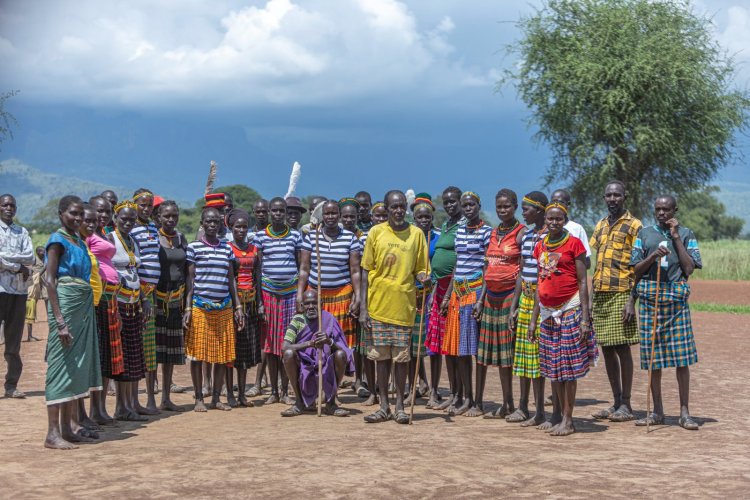
By; David Joseph Kasule
The growing impacts of climate change are rapidly transforming the relationship between humans and wildlife, with conservation experts warning of increased conflict as extreme weather patterns disrupt ecosystems and livelihoods.
Across East Africa and other climate-vulnerable regions, prolonged droughts, erratic rainfall, and rising temperatures are forcing wildlife to move beyond protected areas in search of water and food.
As animals venture closer to farms and settlements, encounters with communities are becoming more frequent and more dangerous.
Drought Driving Wildlife Movement
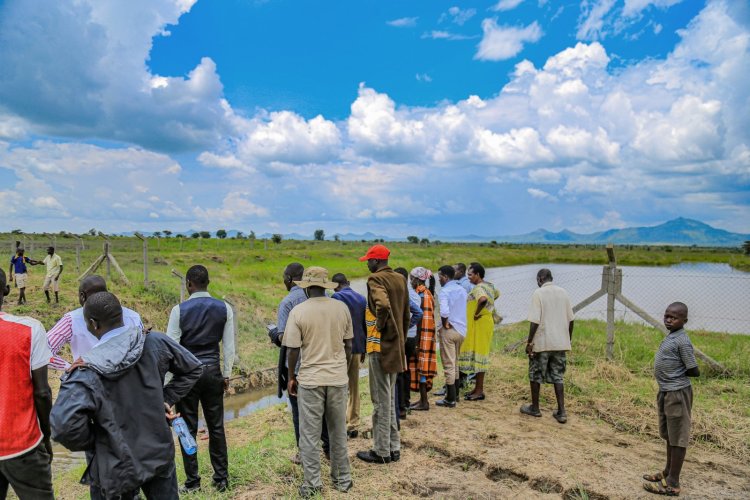
In northern Uganda, areas surrounding Kidepo Valley National Park have experienced extended dry spells in recent years.
Local leaders report that elephants and other large mammals are increasingly crossing park boundaries to access water sources and cultivated crops.
“When rivers dry up inside the park, animals have no choice but to move,” said a community conservation officer in the region.
“Unfortunately, that often means entering farmland.”
Farmers say the consequences are severe. Crop destruction, livestock predation, and threats to human safety are placing additional pressure on households already struggling with climate-related agricultural losses.
Rising Economic and Safety Concerns
According to conservation groups, climate change is intensifying competition for shrinking natural resources.
As grazing lands deteriorate and water points disappear, both pastoralists and wildlife depend on the same limited supplies.
This overlap has led to:
- Increased crop raids by herbivores
- More frequent livestock attacks by predators
- Retaliatory killings of wildlife
- Escalating tensions between park authorities and surrounding communities
Experts warn that without intervention, these conflicts could undermine conservation gains made over the past decade.
Changing Ecosystems, Changing Behaviors
Scientists note that climate change is not only affecting resource availability but also altering animal behavior. Shifts in migration routes, breeding cycles, and feeding patterns are disrupting long-standing coexistence systems.
“Wildlife historically followed predictable seasonal patterns,” explained an environmental researcher in Kampala. “But climate variability is making those patterns less reliable, increasing unexpected interactions with people.”
Communities that once relied on traditional knowledge to anticipate wildlife movement now face uncertainty, making adaptation more challenging.
Calls for Climate-Smart Solutions
Conservationists and policymakers are advocating for climate-smart approaches to reduce conflict. Proposed measures include strengthening early warning systems, restoring degraded habitats, investing in water infrastructure within protected areas, and expanding community engagement initiatives.
Programs focused on mediation and coexistence strategies are also gaining attention as part of broader climate adaptation plans.
“Climate change is redefining conservation,” said a regional environmental official. “We cannot protect wildlife without protecting the communities living alongside it.”