CCFU Marks 20 Years of Cultural Heritage Preservation at the 7th Heritage Awards, Renews Call for a Dedicated Ministry of Culture
Emily Drani, Co-Founder and former Executive Director of the Cross-Cultural Foundation of Uganda, used the occasion to renew calls for the establishment of a dedicated Ministry of Culture in Uganda
 Frank Semata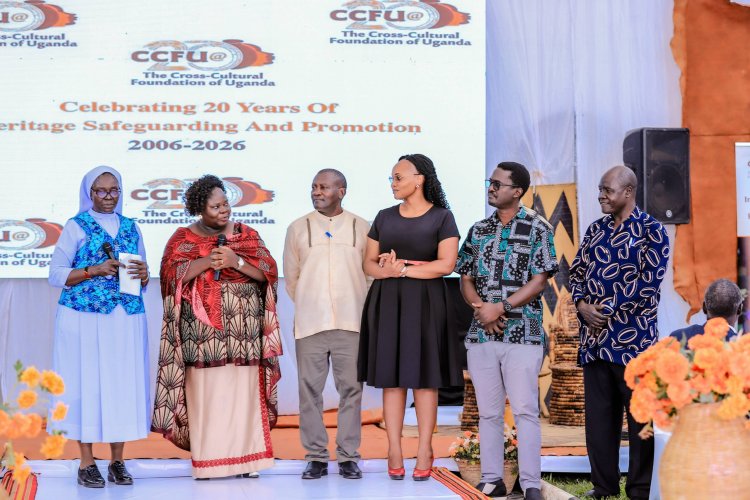
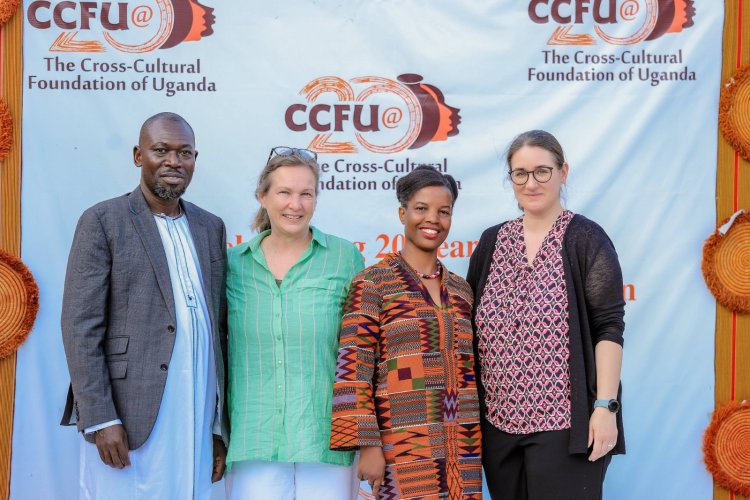
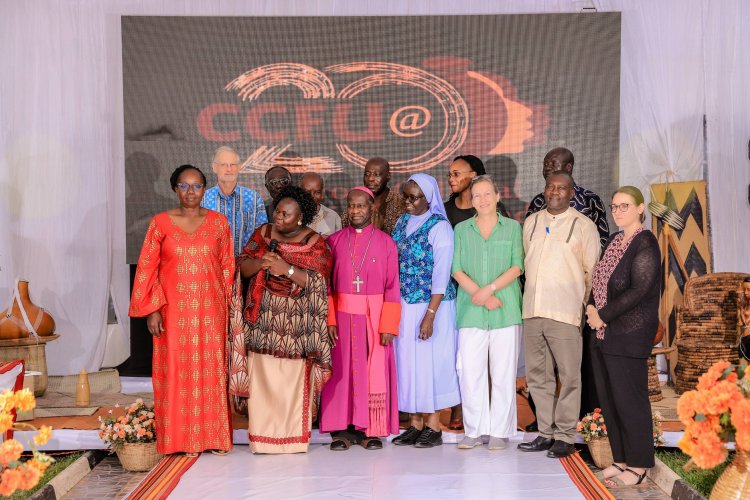
The Cross-Cultural Foundation of Uganda (CCFU), with support from Bread for the World (BftW), hosted the 7th National Heritage Awards at Hotel Africana, bringing together cultural leaders, heritage practitioners, artists, educators, researchers, community museums, media practitioners and policymakers from across Uganda in a celebration of the country’s rich cultural diversity and heritage custodianship.
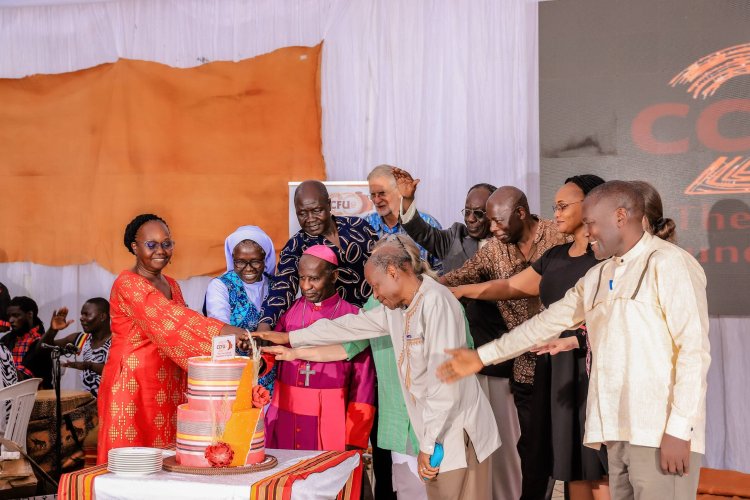
The ceremony formed part of activities commemorating 20 years of CCFU’s work in safeguarding and promoting Uganda’s cultural heritage
Since its establishment in 2006, the Foundation has played a leading role in ensuring that culture and heritage remain central to Uganda’s development agenda through heritage education, support for community museums, preservation of indigenous knowledge systems, promotion of cultural enterprises, advocacy for cultural rights, and documentation of endangered cultural practices.
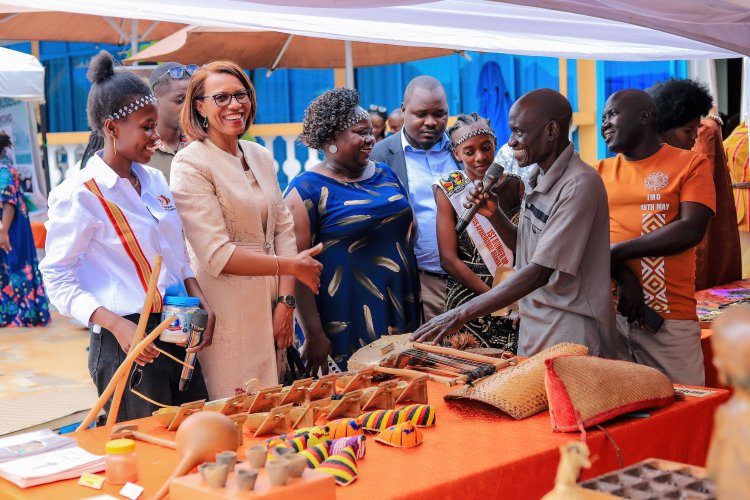
As part of the anniversary celebrations, the Foundation also hosted a vibrant cultural exhibition featuring community museums and cultural enterprises from different regions of Uganda.
Heritage practitioners, artisans, curators, and entrepreneurs used the platform to demonstrate the continued relevance of community-led heritage initiatives in preserving identity while generating economic opportunities through cultural tourism and creative enterprise.
Held every two years since 2013, the National Heritage Awards recognize individuals, institutions, organizations, and communities that have made exceptional contributions toward safeguarding Uganda’s tangible and intangible cultural heritage. Since their inception, the awards have honored more than 36 outstanding heritage custodians from across the country.
This year’s edition celebrated remarkable Ugandans whose work continues to preserve cultural identity in the face of rapid social change, globalization, urbanization and the gradual erosion of indigenous knowledge systems.
The ceremony was presided over by the Archbishop of Tooro Diocese, Rev. Fr. Dr. Robert Kasaija Muhirwa, who served as Chief Guest and emphasized the importance of protecting cultural heritage as a foundation for identity, moral values, and national continuity
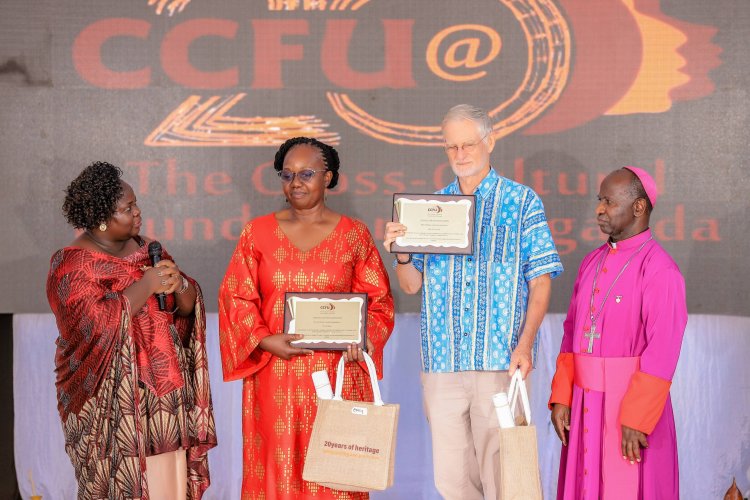
Emily Drani, Co-Founder and former Executive Director of the Cross-Cultural Foundation of Uganda, used the occasion to renew calls for the establishment of a dedicated Ministry of Culture in Uganda, emphasizing the urgent need for stronger institutional support for the country’s cultural heritage sector.
Speaking during the 7th National Heritage Awards, Drani noted that culture remains one of Uganda’s most valuable national assets, yet it continues to receive limited policy attention despite its significant contribution to identity, education, tourism, social cohesion and community development.
She stressed that the creation of a fully-fledged Ministry of Culture would provide a stronger framework for preserving Uganda’s tangible and intangible heritage, supporting cultural practitioners and institutions, safeguarding indigenous knowledge systems, and ensuring that cultural heritage is integrated into the country’s broader development agenda.
She emphasized that without deliberate investment and stronger government commitment, future generations risk losing important aspects of their cultural identity.
Speaking during the event, CCFU Executive Director Barbra Babweteera highlighted the urgent need to safeguard Uganda’s disappearing cultural heritage.
She noted that the National Heritage Awards respond to the growing threat facing indigenous knowledge, traditions, historical sites, and cultural practices
The awards also aligned with Sustainable Development Goal 11, Target 4, which calls for stronger efforts to protect and safeguard the world’s cultural and natural heritage.
Among the notable awardees in the Intangible Cultural Heritage category was Mr. Nyende Nassan, popularly known as “Mata,” a legendary cultural musician and master of the Galimunkumu (thumb piano) from Busoga.
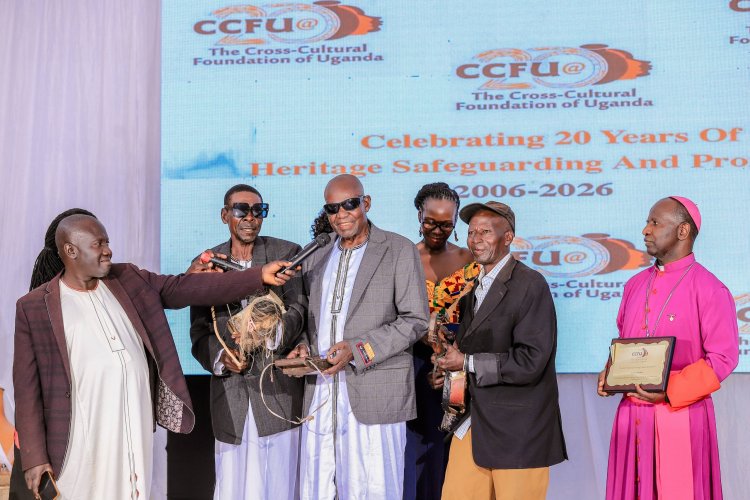
Born in 1936 in present-day Bugweri District, Mata has spent more than seven decades preserving Kisoga language, oral traditions and cultural identity through music and storytelling.
Despite losing his sight at a young age, he continued performing and composing songs that preserved indigenous vocabulary, cultural teachings, and social values for future generations.
Also recognized was Ms. Josephine Nalukwata of Kyotera District, who has dedicated more than 50 years to preserving indigenous medicine and maternal healthcare practices within her community.
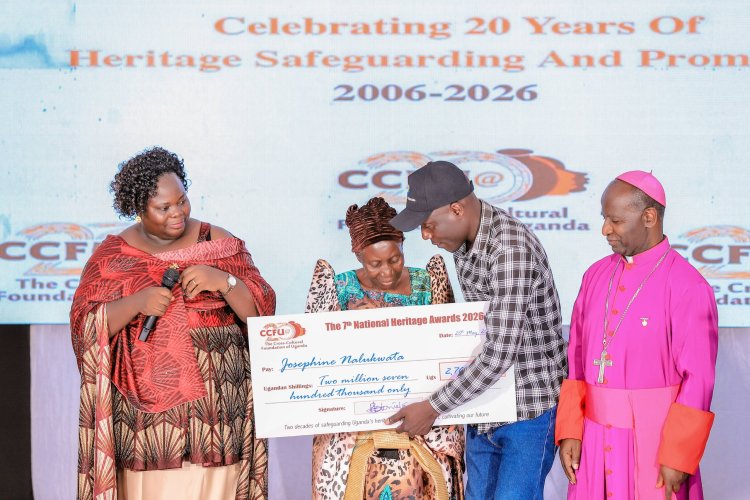
Through traditional healing and midwifery, she has supported countless families and safely assisted in the delivery of many children, including fifteen pairs of twins, while safeguarding indigenous healing knowledge passed down across generations.
The awards further honored Mr. Emmanuel Masereka from the Rwenzori region, a teacher, environmental advocate, herbalist, and researcher who has spent over three decades documenting and promoting Bakonzo indigenous knowledge systems.
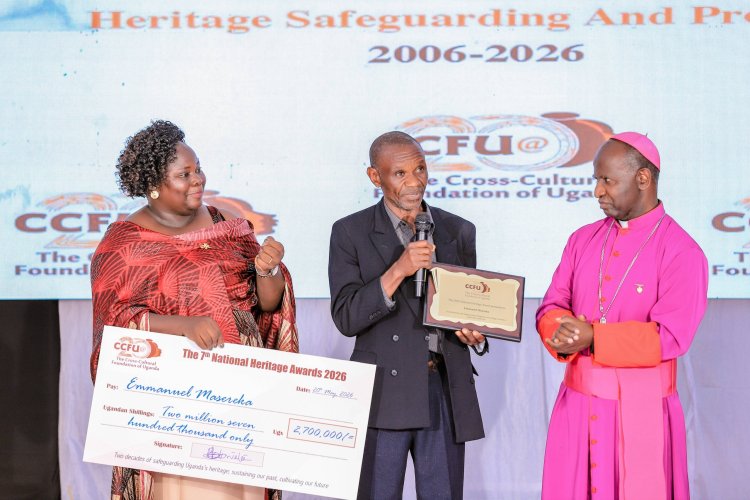
His work has focused on traditional medicine, sustainable agriculture, environmental conservation, and climate resilience. Through partnerships with communities and organizations, he has successfully connected indigenous knowledge with modern conservation and development approaches both locally and internationally.
In the Tangible Cultural Heritage category, Vipawa Children’s Art Museum received recognition for its innovative approach to promoting cultural heritage through arts education for children.
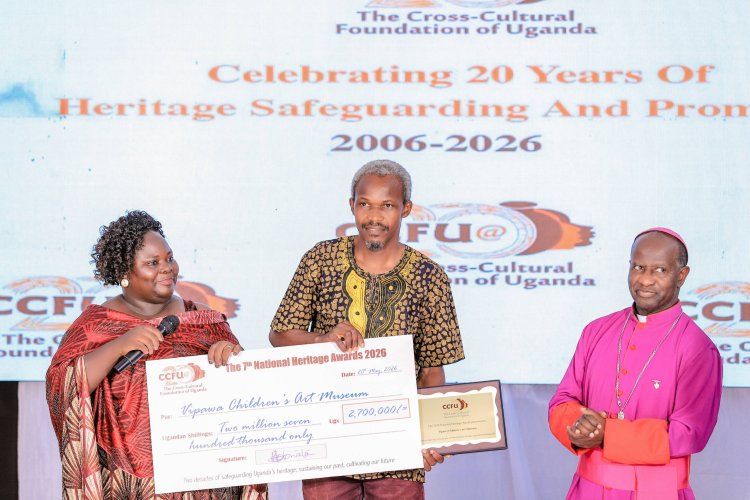
Through storytelling, crafts, performance, visual arts, and creative writing rooted in Ugandan traditions, the museum is nurturing a generation of culturally aware and creative young Ugandans.
St. Paul’s Cathedral Kako was also honored for preserving one of Uganda’s earliest church buildings dating back to the early 1900s.
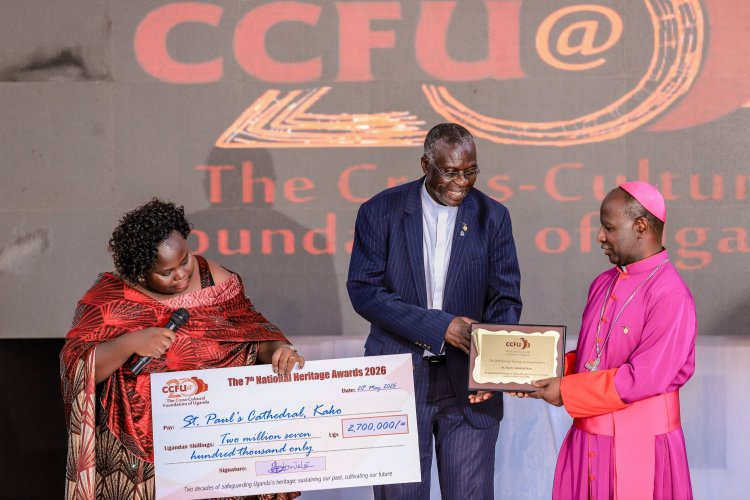
Despite constructing a newer structure, the cathedral safeguarded its original building, maintaining an important symbol of Uganda’s religious and architectural history.
Another awardee in the category was Mrs. Atube Mary of Kitgum District, whose home-based museum established in 2001 has preserved Acholi artifacts, indigenous knowledge, parenting traditions, medicinal practices, and cultural teachings.
During years of insurgency and displacement in Northern Uganda, her museum became an important cultural reference point that helped communities reconnect with their identity and heritage.
In the Media category, Ronald Ssenvuma, a multimedia journalist with NTV Uganda and Dembe FM, was recognized for his cultural feature NAZZIKUNO, which documents and shares traditional Buganda practices through television and radio storytelling.
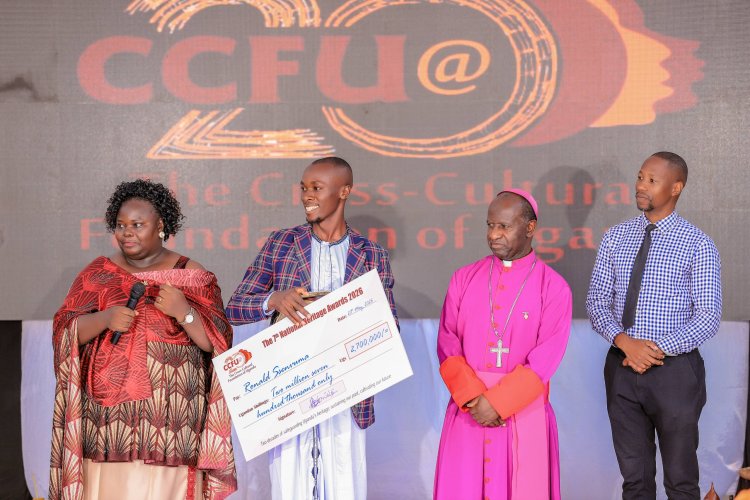
Through carefully researched and creatively produced episodes, Ssenvuma has revived public interest in Buganda’s cultural heritage, particularly among younger audiences.
CCFU noted that the awardees represent the creativity, and dedication required to ensure that Uganda’s cultural heritage remains alive and relevant for future generations.