20 Years of Impact: How CCFU Is Using Culture to Drive Sustainable Development Across Western Uganda
 Frank Semata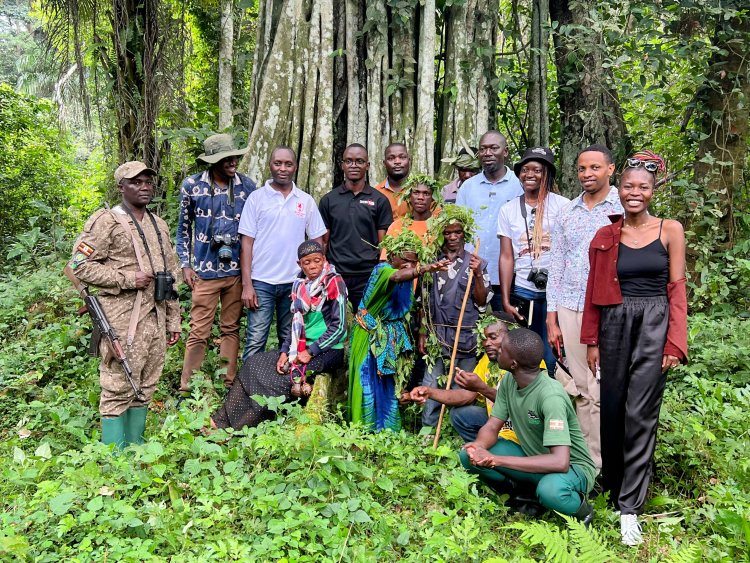
For two decades, the Cross-Cultural Foundation of Uganda (CCFU) has consistently worked toward addressing some of Uganda’s most pressing social, cultural, environmental and identity related challenges
This impact came into focus during a recent Media Learning Journey across the Rwenzori and Bunyoro regions, where journalists witnessed firsthand how culture which is often misunderstood or overlooked is being harnessed as a practical tool for conservation, livelihoods, education and empowerment for different communities to be resilient
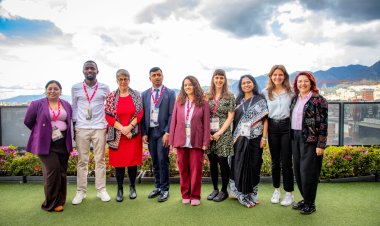
Bringing together 11 journalists from different media houses, the journey was part of CCFU’s 20th anniversary activities, designed to deepen understanding of culture’s role in development and reshape how heritage stories are reported.
Many participants began the journey with narrow perceptions of culture, often associating it with outdated practices or superstition. By the end, those assumptions had shifted.
The journey began in Kagadi District, where participants engaged with Mwalimu Musheshe, founder of the African Rural University and the URDT Cultural Assets Centre.
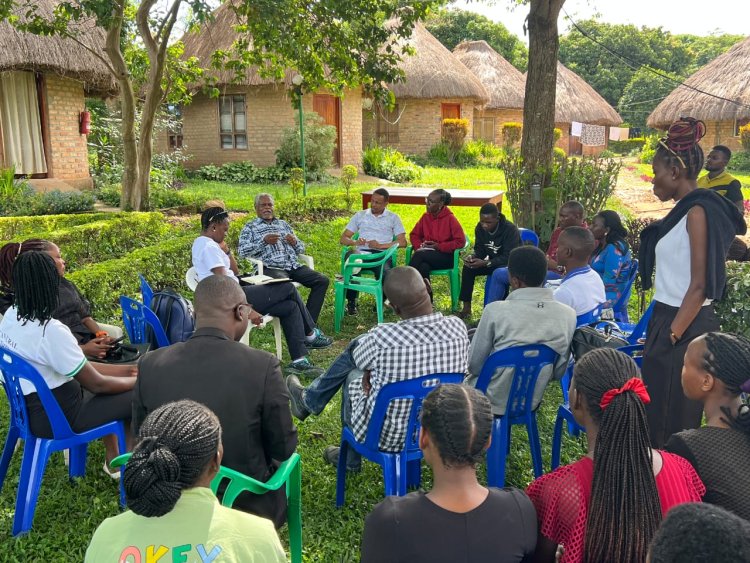
His work demonstrates how African cultural knowledge systems can form the foundation for education and development, challenging dominant models that often sideline indigenous perspectives.
At the African Rural University, the approach is deliberately practical and transformative. The curriculum blends 60 percent theoretical learning with 40 percent hands-on community practice, equipping students with the ability to apply it in real-life rural settings.
Students are trained to move beyond reactive problem-solving to proactive creation thus designing solutions alongside communities rather than for them. This model produces what the institution calls Rural Transformation Specialists: change agents who promote self-reliance, gender equity and long-term systemic progress.
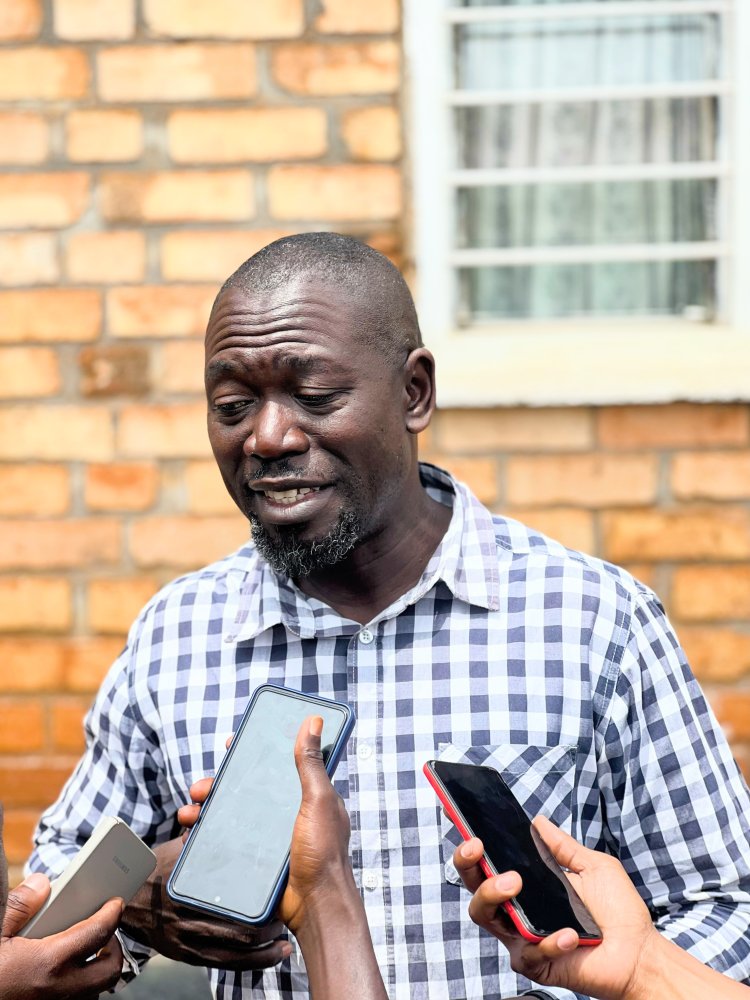
Mwalimu Musheshe spoke profoundly about the power of educating girls and empowering women, emphasizing that even those from the most humble backgrounds can become leaders and drivers of change when given the right opportunities.
Through this philosophy, the university is nurtures a generation that bridges tradition and innovation grounded in cultural identity, yet equipped to respond to contemporary challenges.
In the same region, the visit to Friends of the Chimpanzee Family offered a powerful example of how cultural beliefs can directly support conservation. The initiative has helped reduce conflict between humans and wildlife while restoring degraded forest areas.
Rather than imposing external conservation models, this approach builds on what communities already believe and practice making it both effective and sustainable.
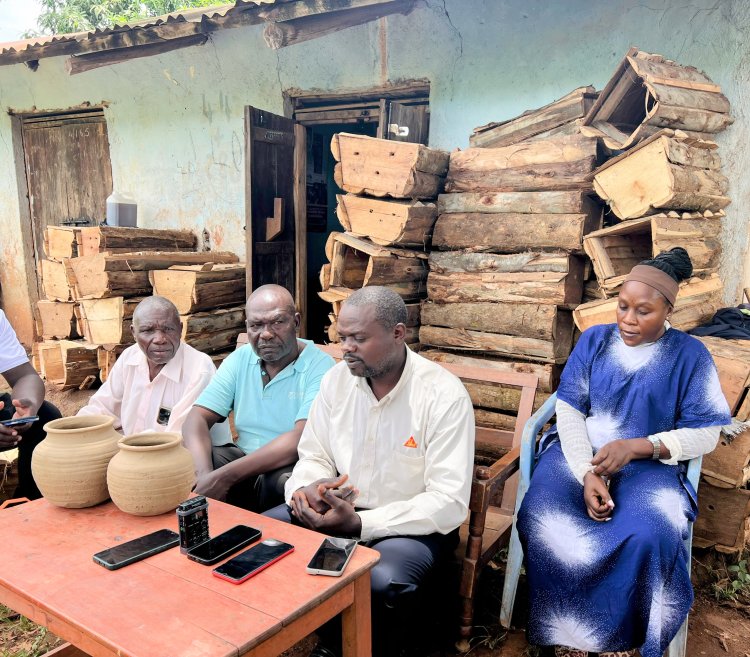
From Kagadi, the journey moved to Fort Portal, where visits to Koogere and Rwengoma Palace Museums opened deeper conversations about the tooro cultural identity, memory and leadership.
From Kagadi, the journey moved to Fort Portal, where visits to Koogere and Rwengoma Palace Museum opened deeper conversations about memory, leadership and identity of the people of Tooro
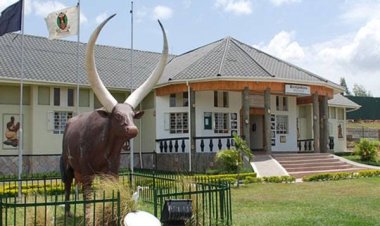
Koogere, founded in 2016 by Miss Alice Basemera Adyeri is a community-driven effort to preserve Tooro’s cultural heritage for future generations. The museum showcases traditional artifacts and indigenous food preparation practices that have been carefully safeguarded over time, offering a vivid glimpse into everyday life as it was lived across generations.
Just as compelling was the visit to Rwengoma Palace, now 123 years old. This royal residence is a relic of the past and a living archive of the Tooro Kingdom.
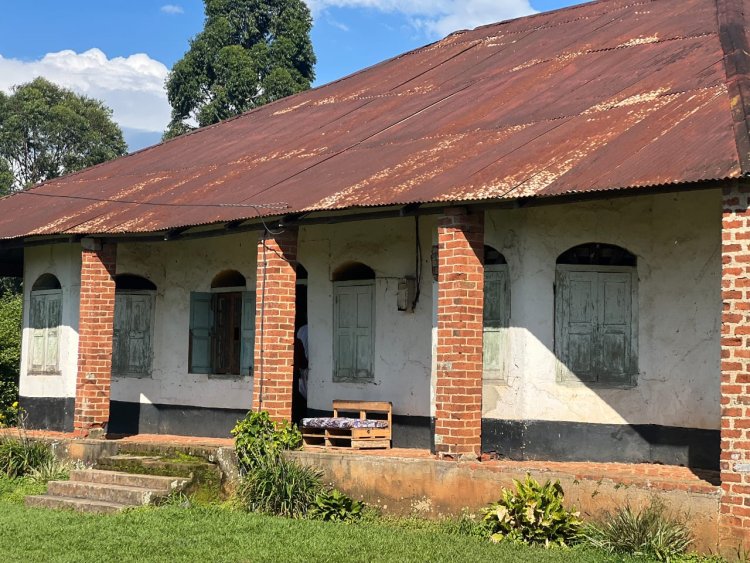
Built by Omukama Rukirabasaija Daudi Kasagama Kyebambe IV for his mother, Nyinomukama Vikitoliya Kahinju Akiiki, the palace carries a legacy deeply tied to the kingdom’s survival.
From its earliest days, it was used as a place where kings were shaped and prepared for leadership.
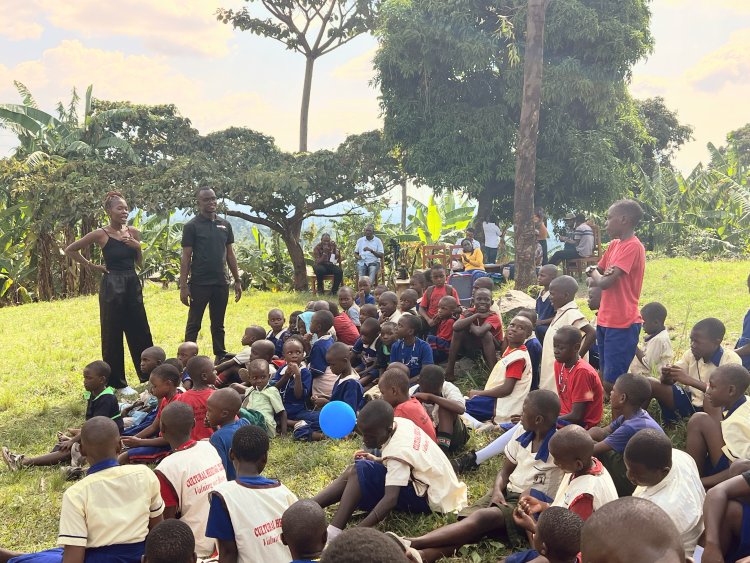
At St. Vianne High School, participants encountered another layer of impact, young people actively engaging with culture through heritage clubs. Supported by CCFU, these clubs are creating spaces where students learn about their traditions, practice cultural expressions and carry forward knowledge that might otherwise be lost.
The journey then continued to Bundibugyo, where the Batwa Cultural Trail offered one of the most immersive and revealing experiences.
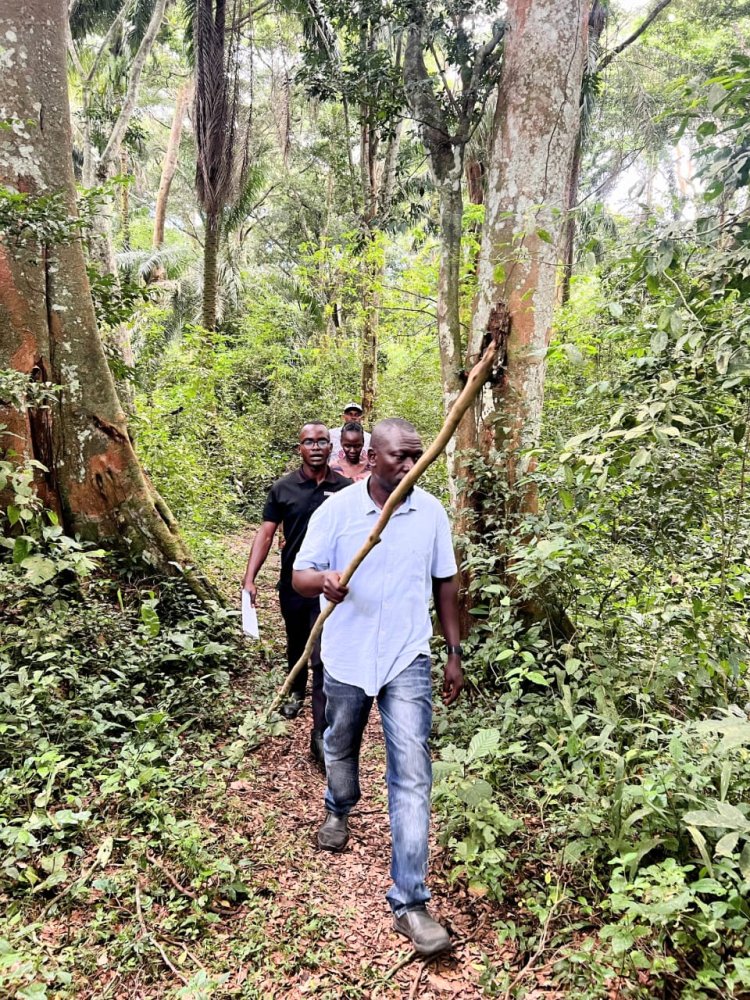
The Batwa, among Uganda’s oldest indigenous communities, shared their story through lived demonstration. Led by their king, Mr. Inzito Geoffrey, participants were taken through their traditional way of life; how they used forest plants and leaves for natural medicine, how they gathered food, and how they hunted bush meat.
Through its coordination with the Uganda Wildlife Authority, CCFU has supported efforts to preserve Batwa culture while also addressing the realities of displacement and marginalisation.
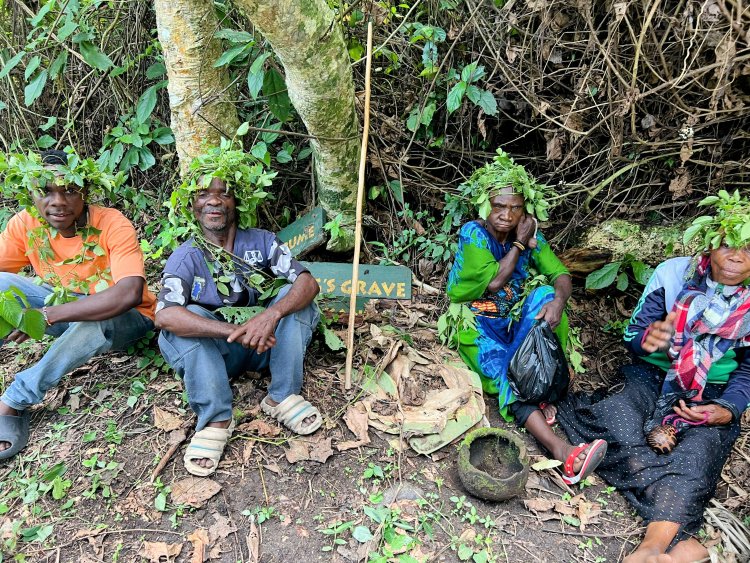
However, as acknowledged by CCFU’s Deputy Executive Director Fredrick Nsibambi during the visit, much more still needs to be done to protect the Batwa from cultural extinction and ensure their inclusion in development processes.
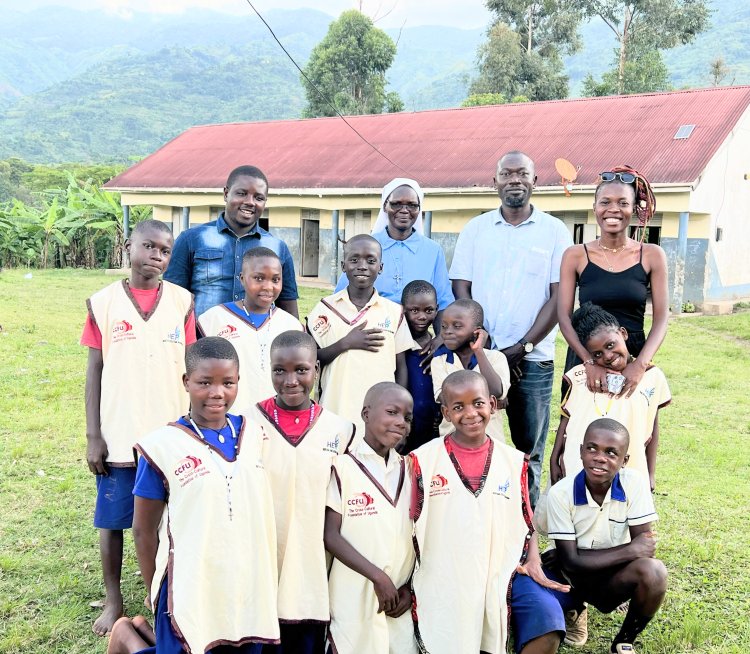
The visit extended to Our Lady of Annunciation Bugombwa Nursery and Primary School, another CCFU supported initiative focused on education for Batwa children.
Here, access to free education and dedicated support systems is beginning to change trajectories. Head teacher Sister Juliana Charik shared encouraging testimonies, noting the strong academic performance of Batwa pupils, Over 40 Batwa children are supported to by CCFU to gain access to quality and welfare
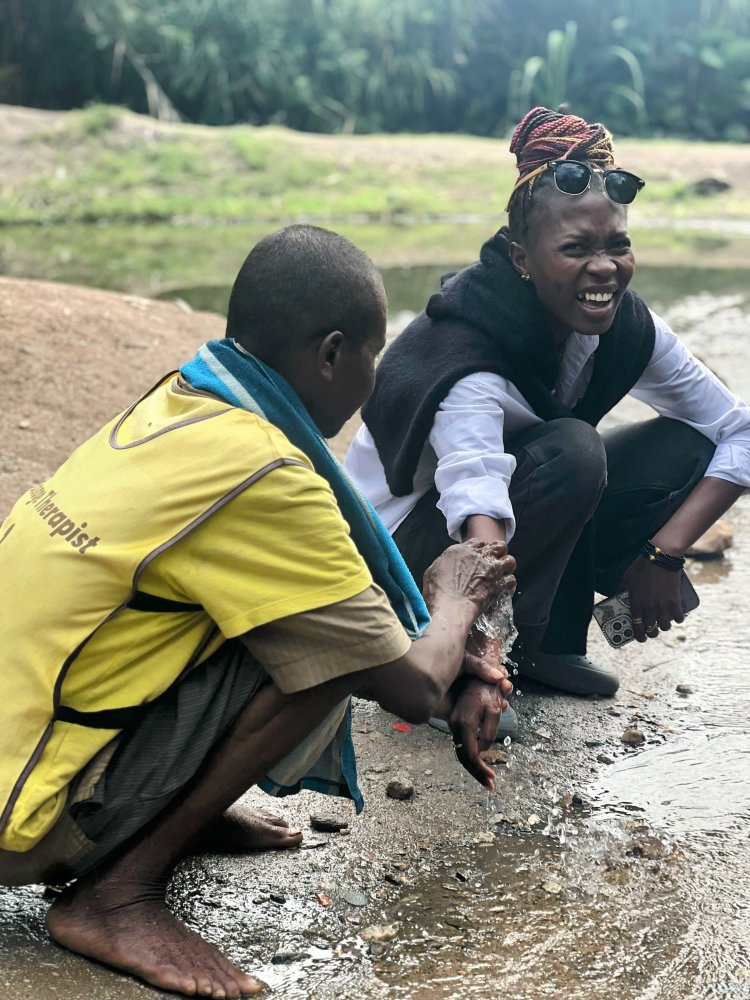
In Kasese, the visit to Kyiriba Kyathumba Cultural Site illustrated how communities are reclaiming and restoring cultural spaces that were once threatened by environmental degradation.
Supported by CCFU, the site has become a model of how indigenous knowledge can guide conservation efforts, particularly in the face of climate change. Cultural practices are being used to protect this heritage site while simultaneously creating opportunities for tourism and community income.
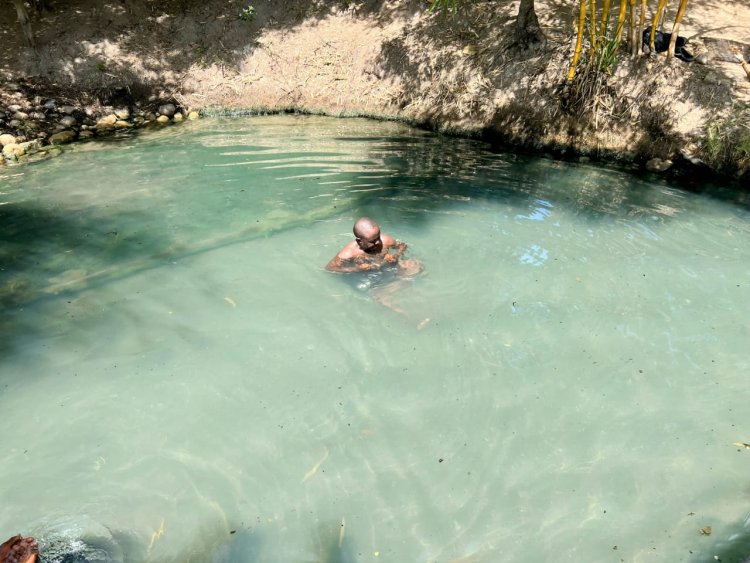
The site, known for its natural hot springs, attracts thousands of visitors and holds both cultural and scientific significance. The hot waters are believed to result from geothermal processes beneath the earth’s crust, where underground heat forces water to the surface.
Efforts are currently underway to expand the site and introduce additional experiences, further strengthening its role as a center for cultural tourism and local economic development.
From Kyiriba Kyathumba, the journey led to an interaction with Ms. Mukanchwanga Beatrice, a custodian of Basongora culture whose work is supported by CCFU.
Here journalists were introduced to the rich heritage of the Basongora people - a pastoralist community whose traditional economy has long been anchored in cattle-rearing.
She spoke about the significance of Emigamba, the traditional attire that reflects status and heritage and how products such as ghee and other milk derivatives have historically sustained households and continue to provide income for survival.
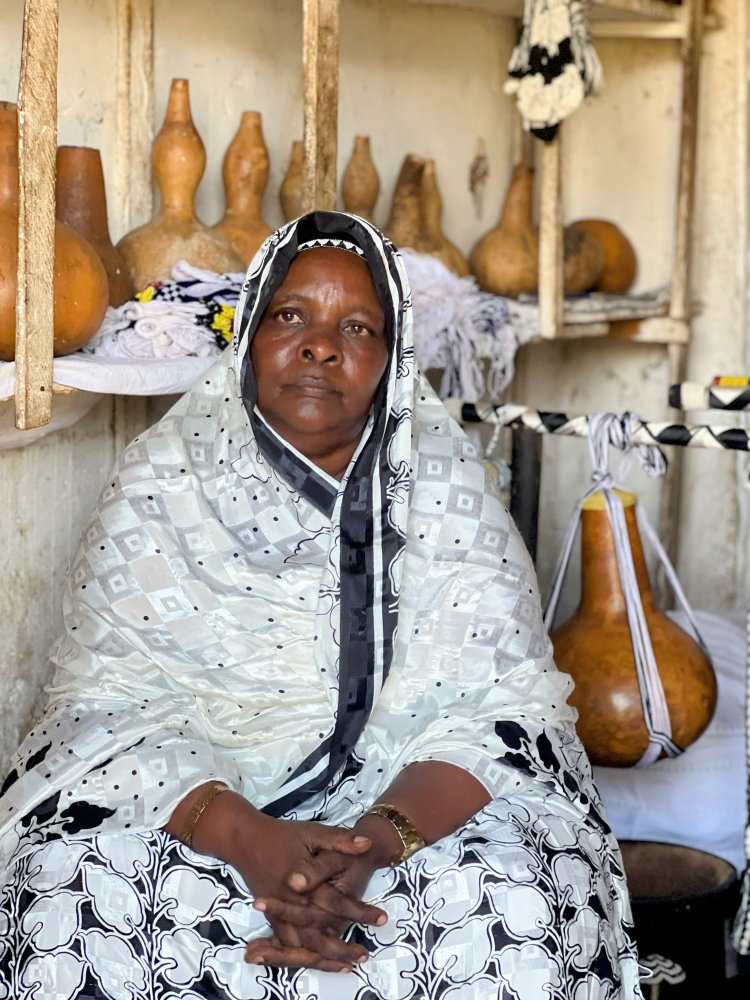
Beatrice is actively passing on the knowledge to younger generations. She is frequently invited to universities and cultural platforms where she demonstrates and teaches Basongora traditions
The journey then continued to the shores of Lake George, locally known as Bunyampaka, home to the Bagabu community, a minority ethnic group with a long but often overlooked history in Uganda.
Traditionally fishermen, the Bagabu also rely on salt mining at the salt pans in Kasenyi, where salt is extracted for both household use and sale in wider markets. This activity remains a critical source of income alongside fishing, sustaining many families within the community.
However, there's a deeper issue of identity and recognition. Despite being among the earliest known peoples and rulers in Uganda’s history, the Bagabu are not formally recognized in the national constitution as a distinct ethnic group.
This exclusion has contributed to their marginalisation, limiting their visibility and access to certain cultural and development rights. Community voices are increasingly calling for their inclusion.