Antibiotic Resistance, Animal Farming, and Why Going Vegan Might Save More Lives
 Frank Semata
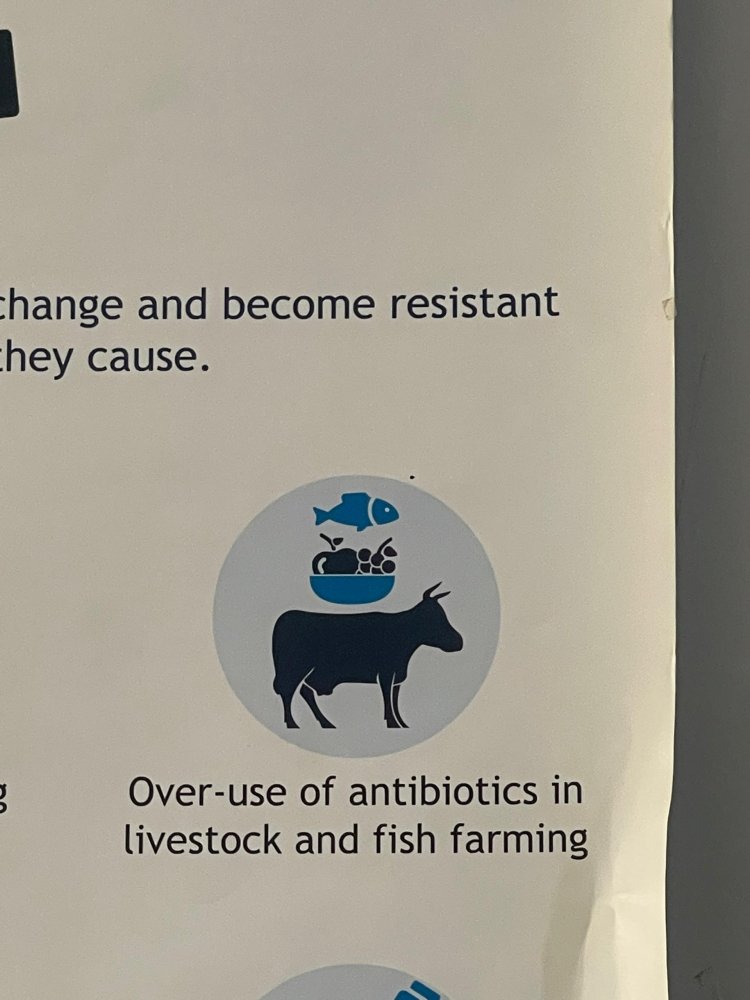
I found this chart at a hospital in Kampala about the causes of antibiotic resistance — a situation where antibiotics can no longer effectively treat your illness. What caught my eye most was the consumption of livestock and fish.
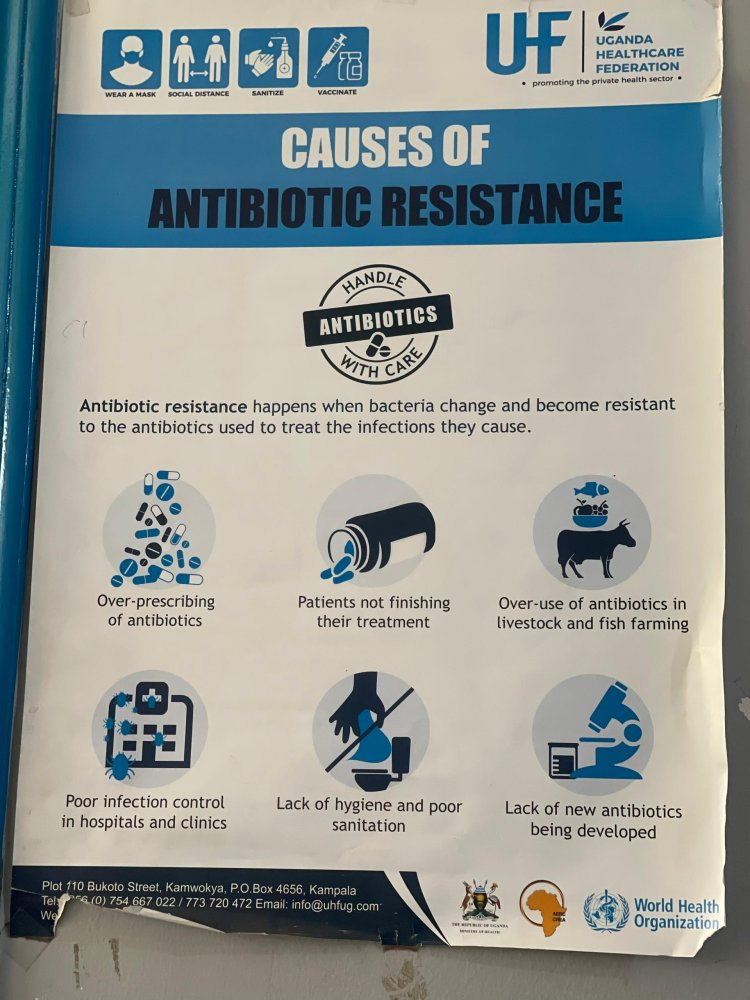
I was shocked. I always knew animal farming was linked to environmental degradation and cruelty — but now it was clear: it’s also making us sick’ - Nabaasa innocent, the Executive Director , Uganda vegan society told our reporter .
‘That chart stayed with me. It confirmed what we’ve been saying at the Uganda Vegan Society: the way we eat is not just a personal choice — it’s a public health issue’ she added.
What Is Antibiotic Resistance?
Antibiotic resistance happens when bacteria evolve in ways that allow them to survive drugs that were once able to kill them. When this happens, common infections like pneumonia, UTIs, and sepsis become harder and more expensive to treat — or even untreatable.
Across Uganda, doctors are reporting more patients with infections that don’t respond to common antibiotics. And behind this rise is a silent culprit: animal agriculture.
How Livestock and Fish Are Fueling the Crisis
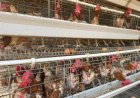
In Uganda, farmers commonly use antibiotics not only to treat sick animals, but routinely — to prevent disease in overcrowded pens and to speed up growth. This means animals are exposed to low doses of antibiotics every day — and so are the bacteria inside them. These bacteria mutate. They become stronger. And eventually, they no longer respond to treatment.
Here’s how it affects us:
• When we eat contaminated meat, dairy, eggs, or fish, we ingest resistant bacteria.
• These bacteria can spread in communities — through water, soil, and even vegetables fertilized with animal waste.
• As a result, resistant infections reach humans, and antibiotics no longer work when we need them most.
A 2020 study in western Uganda found resistant bacteria in over 90% of cattle and 80% of nearby human residents. And a recent review of aquaculture practices in Africa found extremely high levels of multi-drug-resistant bacteria in farmed fish — many of them resistant to first-line drugs like ampicillin and tetracycline.
Uganda’s Response — And What’s Still Missing
Uganda’s Ministry of Health has launched the Second National Action Plan on Antimicrobial Resistance (2024–2029). It takes a “One Health” approach, recognizing that human, animal, and environmental health are all connected. The plan is ambitious — but enforcement is limited. Many farms still operate without veterinary oversight, and antibiotics remain easy to obtain without prescription.
That’s where civil society comes in.
The Vegan Solution: Food That Heals, Not Harms
At the Uganda Vegan Society, we advocate for plant-based diets not just to protect animals or reduce carbon emissions — but to protect public health.
When you go vegan, you’re doing more than avoiding meat. You’re refusing to support a system that relies on antibiotics to survive. You’re helping reduce demand for livestock and fish farming — and breaking a dangerous cycle of resistance.
Let’s be clear: no plant food is grown using antibiotics. No bean, no banana, no avocado contains drug-resistant bacteria. Plant-based diets reduce your risk — and reduce the burden on our health system.
What You Can Do Today
• Choose plant-based meals more often — even once a day helps.
• Talk to friends and family about antibiotic resistance.
• Support local farmers who grow organic, plant-based foods.
• Join organizations like Uganda Vegan Society to promote safer, healthier communities.