Uganda to Mark World Wildlife Day 2026 with Focus on Medicinal and Aromatic Plants
 Namugumya Angella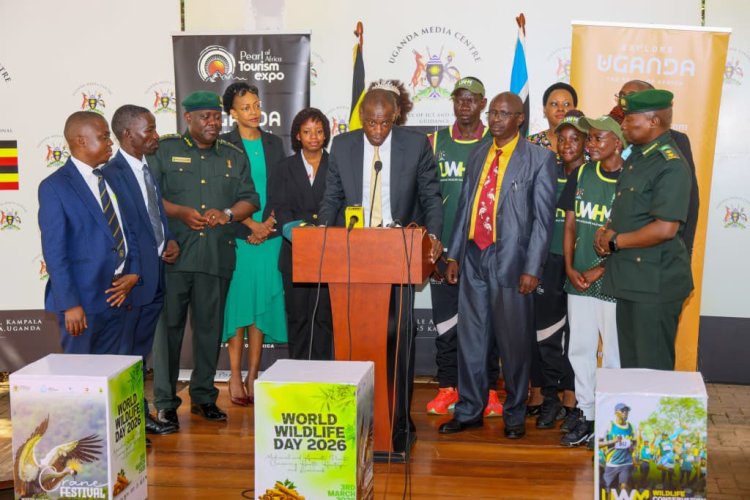
In 2013, the Sixty-Eighth Session of the United Nations General Assembly designated 3rd March of every year as World Wildlife Day, a global occasion to celebrate the world’s rich diversity of wild fauna and flora and to raise awareness about the vital role wildlife conservation plays in sustaining life on Earth.
In line with this global commitment, Uganda—an active member of the United Nations and one of the world’s most biodiverse countries—will join the international community on 3rd March 2026 to commemorate World Wildlife Day.
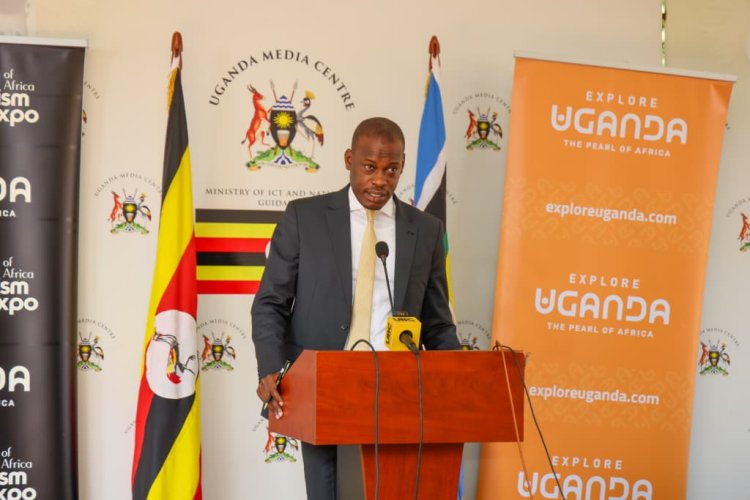
The national celebrations will be hosted in Entebbe Municipality, Wakiso District, and will be graced by H.E. the President of the Republic of Uganda as the Chief Guest.
Uganda’s participation is a testament to its exceptional natural heritage. The country is home to over 50% of the world’s remaining mountain gorilla population, 11% of the world’s recorded bird species (representing half of Africa’s bird species richness), 8% of global mammal diversity, 19% of Africa’s amphibian species richness, 14% of Africa’s reptile species richness, and 1,249 documented butterfly species.
This extraordinary biodiversity places Uganda among the most biologically rich nations globally.
The Uganda Wildlife Act, Cap 315, defines wildlife as “any wild plant or animal species or their derivative products that are indigenous, migrated to, or introduced in Uganda.”
In recognition of the critical role of plants within wildlife conservation, the theme for World Wildlife Day 2026 has been set as:
“Medicinal and Aromatic Plants: Conserving Health, Heritage and Livelihoods.”
This theme highlights the deep and inseparable connection between biodiversity conservation, human well-being, cultural heritage, and sustainable development.

Medicinal and aromatic plants are far more than botanical resources—they form the backbone of traditional healthcare systems, preserve ancestral knowledge, and provide a vital source of income for millions of rural households worldwide.
Globally, around 80% of people in developing countries rely on plant-based traditional medicine for primary healthcare.
Approximately 60,000 plant species are used for medicinal, nutritional, and aromatic purposes, with nearly 500,000 tonnes traded annually.
The traditional medicine market is valued at USD 60 billion, growing at an estimated 7% annually. However, nearly 90% of medicinal plants are still harvested from the wild, exerting immense pressure on ecosystems and threatening their long-term survival.
In Uganda, traditional medicine plays a significant role in community health and livelihoods. Herbalists and traditional healers derive income from medicinal plants, contributing directly to local economies.
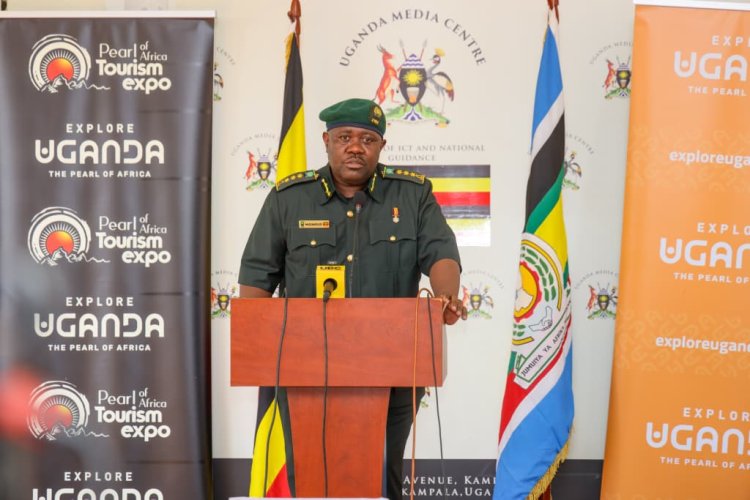
According to a World Health Organization report, about 80% of Uganda’s population depends on herbal medicine to treat various ailments. Notable medicinal plant species include Vernonia amygdalina, Albizia coriaria, Bidens pilosa, Prunus africana, and Warburgia ugandensis.
Medicinal and aromatic plants are also deeply embedded in Uganda’s cultural heritage, with indigenous knowledge passed down through generations.
Women play a critical role across the value chains of harvesting, processing, trade, and cultivation. However, these resources face growing threats from overexploitation, habitat loss, climate change, erosion of traditional knowledge, weak regulation, and inadequate monitoring.
As the world grapples with climate change and biodiversity loss, the conservation of medicinal and aromatic plants has never been more urgent.
Sustainable cultivation, responsible harvesting, fair market access, and equitable benefit-sharing offer an opportunity to protect biodiversity while strengthening rural livelihoods and healthcare systems.
As Uganda marks World Wildlife Day 2026, the country reaffirms its commitment to conserving medicinal and aromatic plants, safeguarding traditional knowledge, and promoting sustainable use of natural resources.
Conservation is not a burden—it is an opportunity to protect biodiversity, preserve culture, enhance health systems, and build resilient and equitable societies.
I therefore call upon all Ugandans, conservation stakeholders, and tourism partners to actively promote and participate in the activities commemorating World Wildlife Day 2026.
Hon. Martin Mugarra Bahinduka - Minister of Touriam