Community Conservation Efforts Emerge as Lifeline for Chimpanzees in Kagadi District
 Frank Semata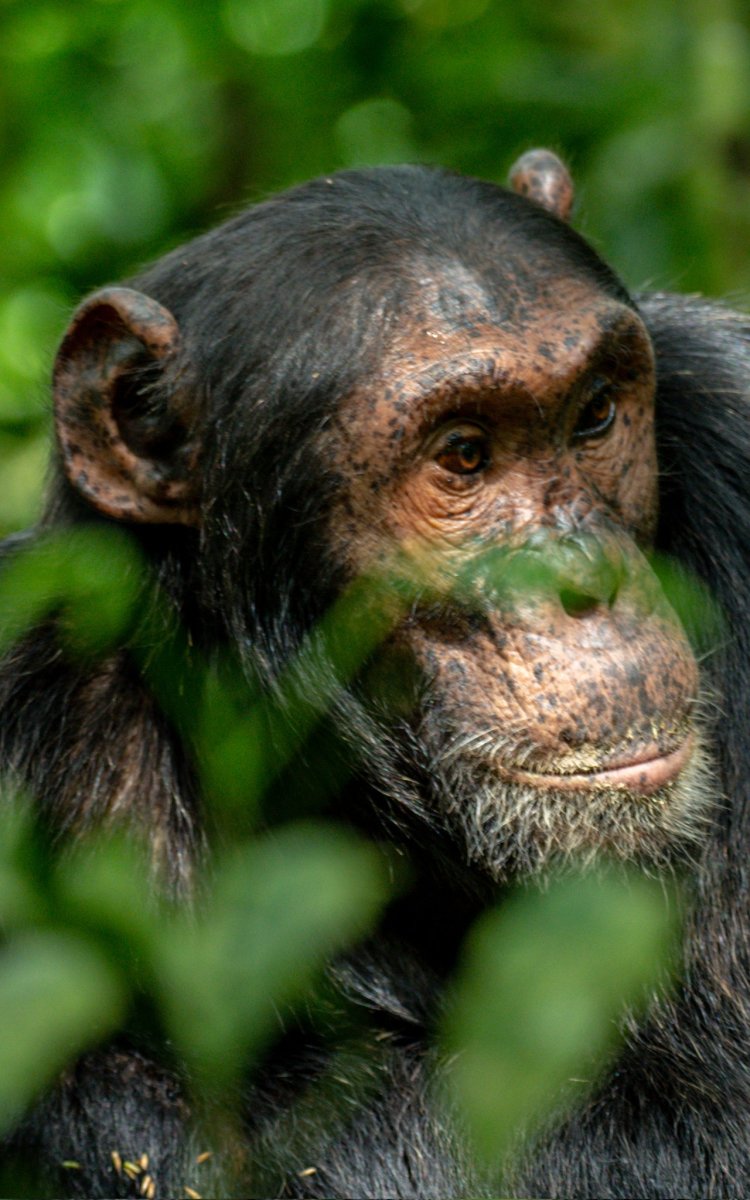
In Kagadi District, western Uganda, a grassroots conservation effort is taking shape around the urgent need to protect endangered chimpanzees while addressing the realities of human-wildlife conflict.
The initiative, led by Kuteesa Swaleh Kadoma, Executive Director of Friends of Chimpanzee Family, was founded in 2016 after growing concerns over the killing of chimpanzees in local communities.
“We came in as friends of the chimpanzee family after seeing chimpanzees being killed,” Kadoma explains.
“Our focus has been community awareness, conservation and practical solutions that allow people and wildlife to coexist.”
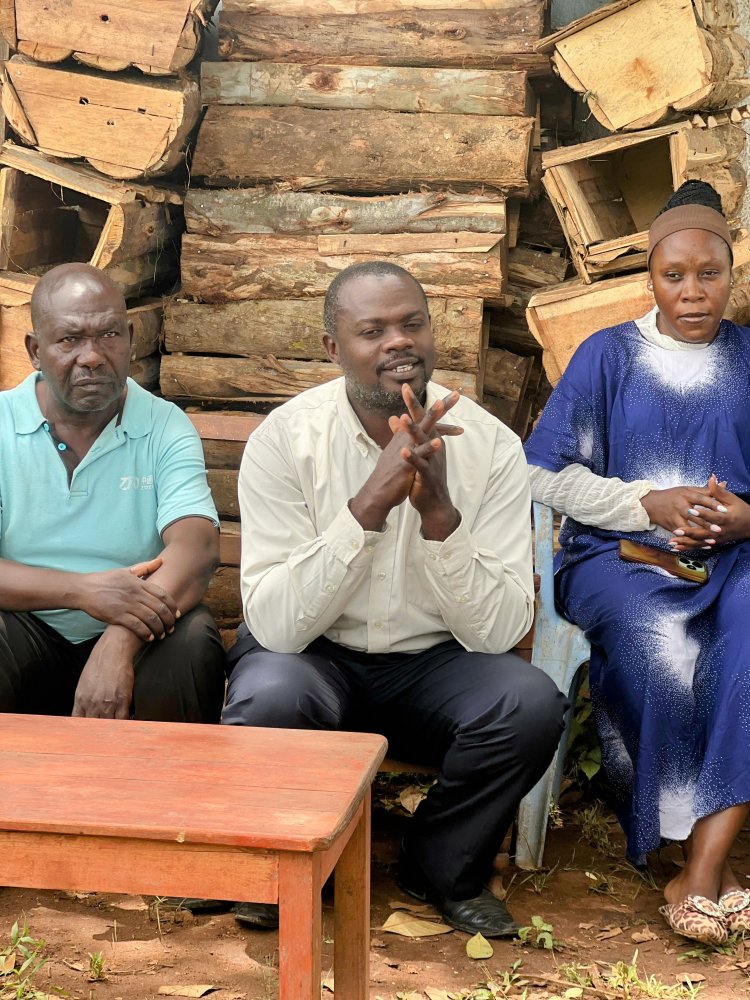
Since its establishment, the organization has been actively engaged in chimpanzee monitoring, forest restoration and wildlife rescue operations.
This includes rescuing injured or threatened animals such as chimpanzees and pangolins, often through interventions that disrupt poaching activities.
Beyond direct conservation work, the organization has prioritized community-based solutions aimed at reducing conflict between people and wildlife.
Farmers are supported with non-palatable crop varieties that chimpanzees are less likely to raid, alongside beekeeping initiatives that provide alternative income sources while encouraging forest conservation.
Kadoma notes that the organization works closely with key conservation stakeholders including the Cross Cultural Foundation of Uganda (CCFU), the Jane Goodall Institute, and the Uganda Wildlife Authority, among others.
These partnerships have strengthened efforts to protect wildlife while supporting affected communities.
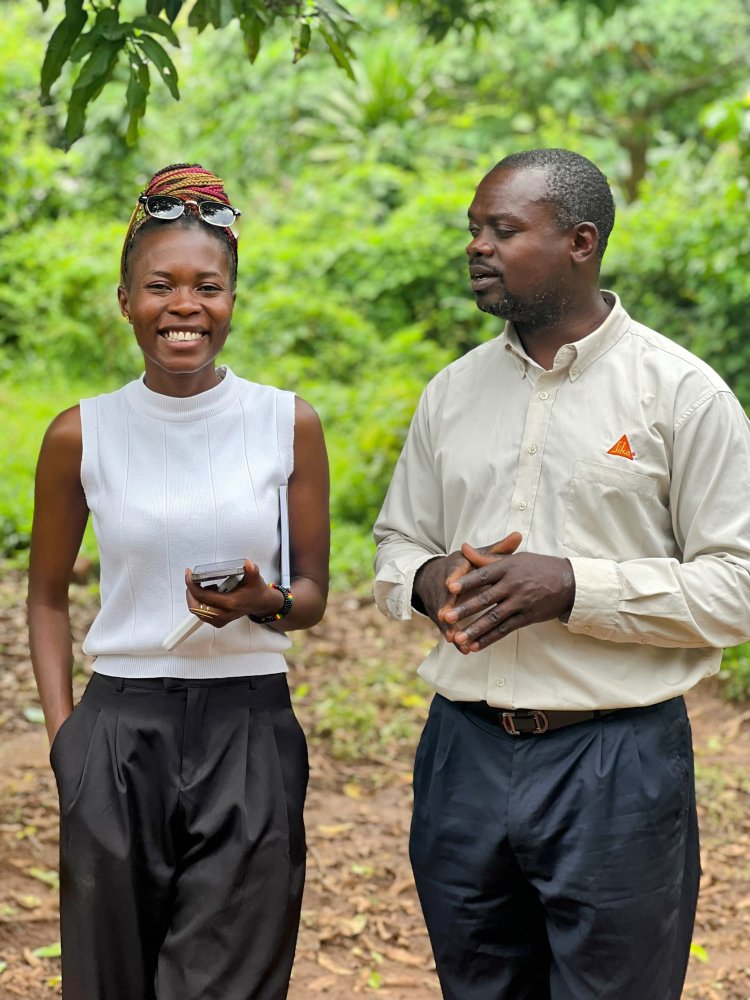
A strong emphasis has also been placed on education and awareness. Through school outreach programs, radio talk shows, and community engagements including music, dance and drama, the organization is working to instill conservation values in younger generations.
“We are the generation that has contributed most to environmental destruction that is why we must educate children early about the importance of protecting nature, especially in the face of climate change.” Kadoma says
The impact of human-wildlife conflict remains significant in the region. In Muhorro village alone, the organization supports over 200 people, while across Kagadi District the number exceeds 400 individuals affected by interactions with chimpanzees.
Over the years, the community has also experienced injuries linked to chimpanzee encounters, with tragic losses recorded.
Despite these challenges, conservation efforts are yielding critical insights into the declining chimpanzee population.
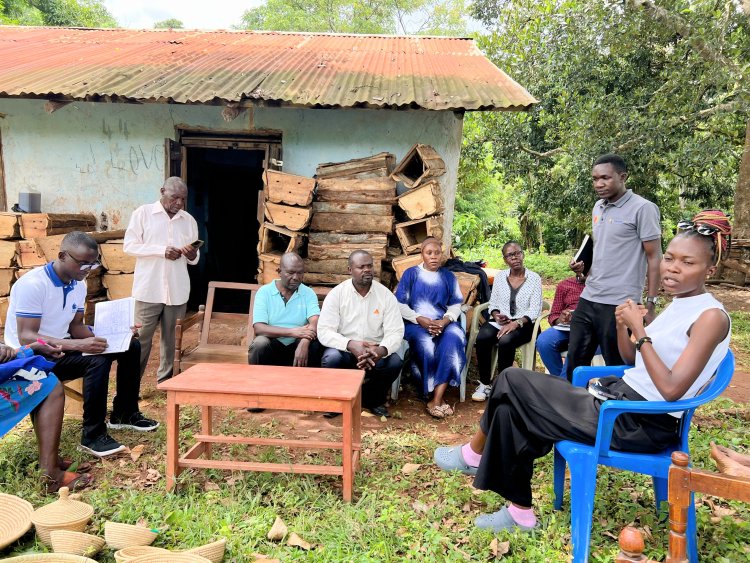
In Muhorro, numbers have dropped sharply due to deforestation, particularly the destruction of the Katyobona forest. Where the population once stood at between 60-80 chimpanzees, only about 16 remain permanently in the forest today, though numbers may temporarily rise due to movement through ecological corridors.
Kadoma is now calling for greater global support and collaboration. “We are appealing to friends of chimpanzees across the world to join us in protecting this endangered species,” he says.
“If we work together, we can save them and restore balance between people and nature.”